Blog
Cookies for Resale: Growing Businesses with Zyluc
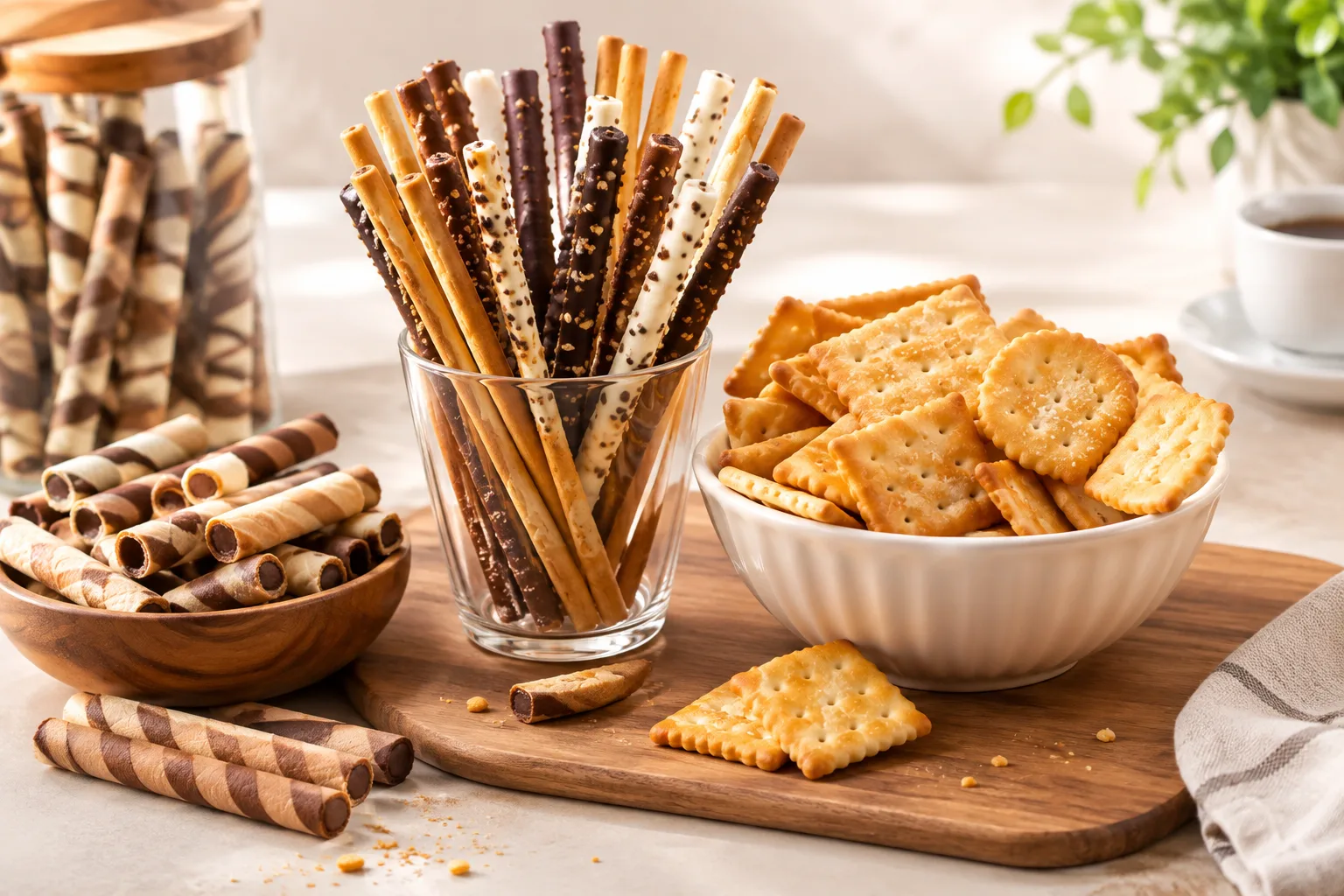
The demand for packaged snacks continues to grow as consumers look for convenient foods that fit busy lifestyles, travel plans, office routines, and casual gatherings. For retailers and distributors, choosing the right products can create additional revenue without requiring complicated preparation or specialized equipment. Among the many snack categories available, cookies remain an attractive option because they are familiar, versatile, and easy to merchandise. Alongside cookies, retailers can also consider flavored snacks, roll snacks, and black crackers to create a more varied product selection that appeals to different tastes and purchasing preferences.
For businesses looking to expand their product selection, cookies for resale can provide a practical way to introduce appealing snacks to customers. From independent grocery stores to online sellers, combining cookies with complementary options such as flavored snacks, roll snacks, and black crackers can make a product portfolio more diverse. Understanding product quality, packaging, suppliers, target customers, and purchasing volumes can help businesses build a reliable snack assortment while offering customers greater variety and reducing unnecessary inventory risks.
Why Cookies Remain Popular in the Resale Market
Cookies have a broad consumer appeal that makes them suitable for many types of retail environments. Customers may purchase them as everyday snacks, lunchbox additions, travel food, office treats, or simple gifts. Their familiarity also means retailers do not always need to spend significant effort explaining what the product is or how it should be consumed. Different flavors, textures, shapes, and package sizes allow businesses to serve several customer preferences within the same category.
When evaluating cookies for resale, retailers should consider more than taste alone. Shelf stability, package presentation, product consistency, and wholesale pricing can significantly influence the overall business opportunity. A cookie that tastes good but has poor packaging may struggle in a competitive store environment. Likewise, attractive products with limited margins may not provide enough value for retailers. A balanced evaluation helps businesses select products that satisfy customers while supporting sustainable sales.
Choosing the Right Cookie Products for Your Customers
Understanding the target customer is essential before purchasing inventory. A convenience store may prioritize affordable individual packages, while a specialty grocery retailer might prefer premium cookies with distinctive flavors or sophisticated packaging. Online sellers can also focus on multipacks or bundles that make shipping costs more efficient. Customer demographics, purchasing habits, and average spending levels should therefore influence the product selection process.
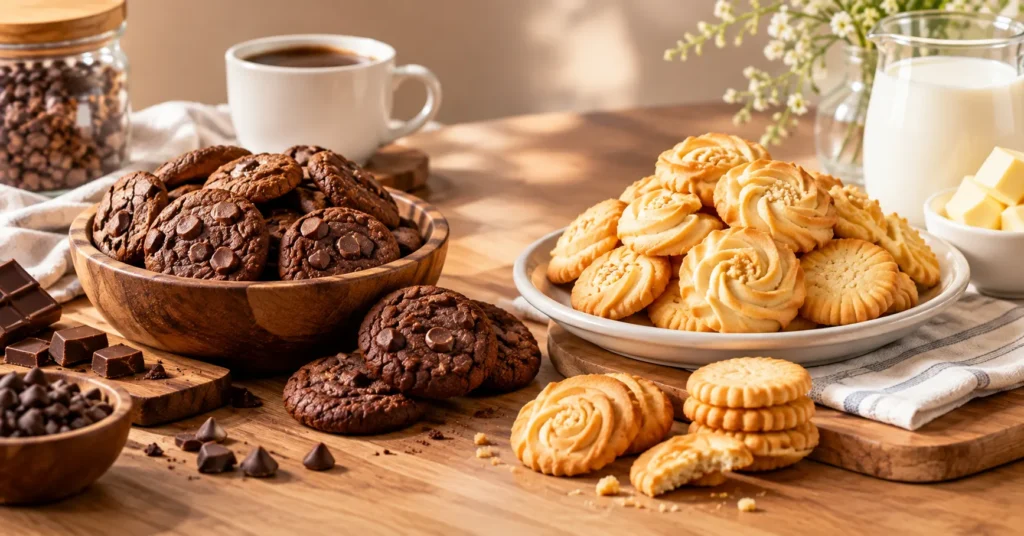
Businesses should also consider whether their customers prefer traditional flavors or more distinctive options. Chocolate, vanilla, butter, fruit, and cream-based cookies can appeal to broad audiences, while unusual combinations may attract shoppers searching for something different. When sourcing cookies for resale, creating a balanced assortment can be more effective than relying on a single flavor. A varied selection gives customers more reasons to explore the category and can encourage repeat purchases when different preferences are represented.
Read More: “Snacks for Resale: Built a Reselling Business With Zyluc“
Finding a Reliable Wholesale Supplier
The supplier plays an important role in determining whether a snack resale business can maintain consistent inventory. Retailers need partners that can provide dependable product quality, predictable lead times, suitable minimum order quantities, and clear communication. A supplier that frequently changes availability or fails to meet delivery expectations can create problems for businesses that depend on regular stock replenishment.
Before ordering cookies for resale, buyers should evaluate the supplier’s manufacturing capabilities and business policies. It is useful to ask about production capacity, packaging formats, shipping arrangements, shelf life, and documentation. Businesses should also clarify whether private labeling or customized packaging is available if they intend to develop their own brand. Establishing these details early can reduce misunderstandings and make future purchasing decisions more efficient.
Understanding Wholesale Pricing and Profit Margins
Price is one of the most important factors in determining whether a cookie product is commercially attractive. Wholesale buyers should calculate the complete cost rather than looking only at the supplier’s unit price. Transportation, storage, marketplace fees, promotional discounts, taxes, and other operating expenses may affect the final margin. A product that appears inexpensive at the purchasing stage may become less profitable after all additional costs are included.
Retailers purchasing cookies for resale should compare several pricing scenarios before committing to a large order. Volume discounts can improve unit economics, but buying excessive inventory simply to obtain a lower price can increase storage risks. Businesses should estimate expected sales velocity and determine how quickly stock can realistically move. Maintaining a healthy balance between purchase price, retail price, and inventory turnover is more valuable than pursuing the lowest wholesale price alone.
Managing Shelf Life and Inventory
Shelf life deserves careful attention when dealing with packaged bakery products. Retailers need enough time to receive, store, display, and sell their inventory before expiration becomes a concern. Products with appropriate shelf stability can be easier to distribute across different locations, while short shelf-life items may require faster turnover and more frequent deliveries. Storage conditions should also match the manufacturer’s recommendations.
Effective inventory planning can make cookies for resale easier to manage, especially for businesses carrying many snack varieties. Retailers can track sales by flavor, package size, and location to identify products that move quickly. Slow-moving items may require smaller reorder quantities or promotional support. Using sales data instead of assumptions allows businesses to improve purchasing decisions over time and reduce the amount of capital tied up in unsold inventory.
Selling Cookies Through Different Retail Channels
Cookies can fit into several sales channels, giving businesses flexibility when developing their distribution strategy. Physical grocery stores can display them alongside other packaged snacks, while convenience stores can position smaller packages near checkout areas. Cafés, gift shops, hotel stores, and specialty food retailers may also use cookies as complementary products that increase the variety of their offerings.
For businesses selling cookies for resale through online channels, product presentation becomes particularly important. High-quality product images, clear descriptions, accurate package information, and appropriate shipping materials can influence customer confidence. Bundles may also make online orders more economical because multiple packages can be shipped together. Retailers should select sales channels based on customer behavior rather than attempting to use every available platform at once.
Quality Consistency Matters for Repeat Sales
A successful snack product should provide a dependable experience from one purchase to the next. Customers who enjoy a particular cookie generally expect the same flavor, texture, appearance, and package quality when they buy it again. Inconsistent production can damage customer trust and make retailers hesitant to continue carrying the product. Quality control is therefore an important consideration when evaluating potential suppliers.
Retailers should ask suppliers how they maintain consistency across production batches. Manufacturing standards, ingredient controls, packaging procedures, and quality inspections can all influence the finished product. For businesses building a long-term assortment of cookies for resale, consistency may be more valuable than novelty. A reliable product gives retailers greater confidence when recommending it to customers and can contribute to stronger repeat purchasing.
Exploring Private Label Opportunities
Private labeling can provide businesses with greater control over how their cookie products are presented to customers. Instead of selling products exclusively under an existing brand, retailers may work with manufacturers to develop packaging that reflects their own identity. This approach can be particularly useful for specialty stores, distributors, hospitality businesses, and companies that want to create a differentiated snack range.
Before developing cookies for resale under a private label, businesses should understand the manufacturer’s customization capabilities. Packaging design, minimum order quantities, flavor selection, product specifications, and production timelines can vary significantly between suppliers. A clear agreement regarding these requirements helps prevent unexpected costs or delays. Businesses should also confirm that the final packaging meets applicable labeling and regulatory requirements for the markets where the products will be sold.
Growing a Sustainable Cookie Resale Business
Long-term growth requires more than finding a product that sells well during its initial launch. Retailers should continuously monitor customer feedback, sales performance, inventory turnover, and profit margins. These insights can reveal which flavors deserve more shelf space and which products should be reduced or replaced. Seasonal demand can also affect purchasing decisions, making flexible inventory planning important throughout the year.
For businesses entering the cookies for resale market, starting with a manageable assortment can reduce unnecessary risk. A small selection of well-researched products can provide useful sales data before the business commits to larger purchase volumes. As demand becomes clearer, retailers can expand into new flavors, package formats, bundles, or private-label opportunities. This gradual approach allows the business to grow based on evidence while maintaining better control over inventory and operating costs.
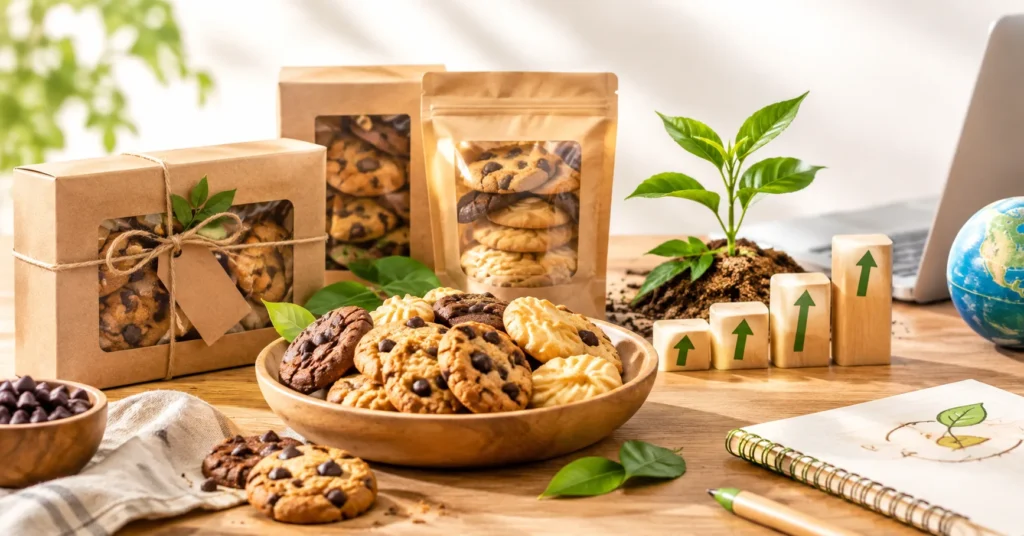
Take the Next Step with Zyluc
Choosing the right cookies for resale can help retailers and distributors strengthen their snack selection while creating opportunities for repeat purchases. Quality, consistent flavor, appealing packaging, and reliable supply all play an important role in building customer trust. By working with a dependable biscuit manufacturer, businesses can offer products that are enjoyable for different preferences and suitable for a wider market.
Zyluc is dedicated to creating high-quality biscuits and wafers using carefully selected ingredients. Our products are made to satisfy a wide range of tastes and enjoyed by people around the world. For businesses searching for cookies for resale, Zyluc provides an opportunity to expand their product portfolio with thoughtfully produced biscuit and wafer selections designed for diverse customers and markets.
Ready to explore new opportunities for your snack business? Discover Zyluc and find products that can complement your retail or distribution strategy. Follow Instagram Zyluc Snacks for product updates and business inspiration, and visit Website Zyluc Snacks to learn more about our products and partnership opportunities.