Blog
Private Label Selling on Amazon for Snack Brands
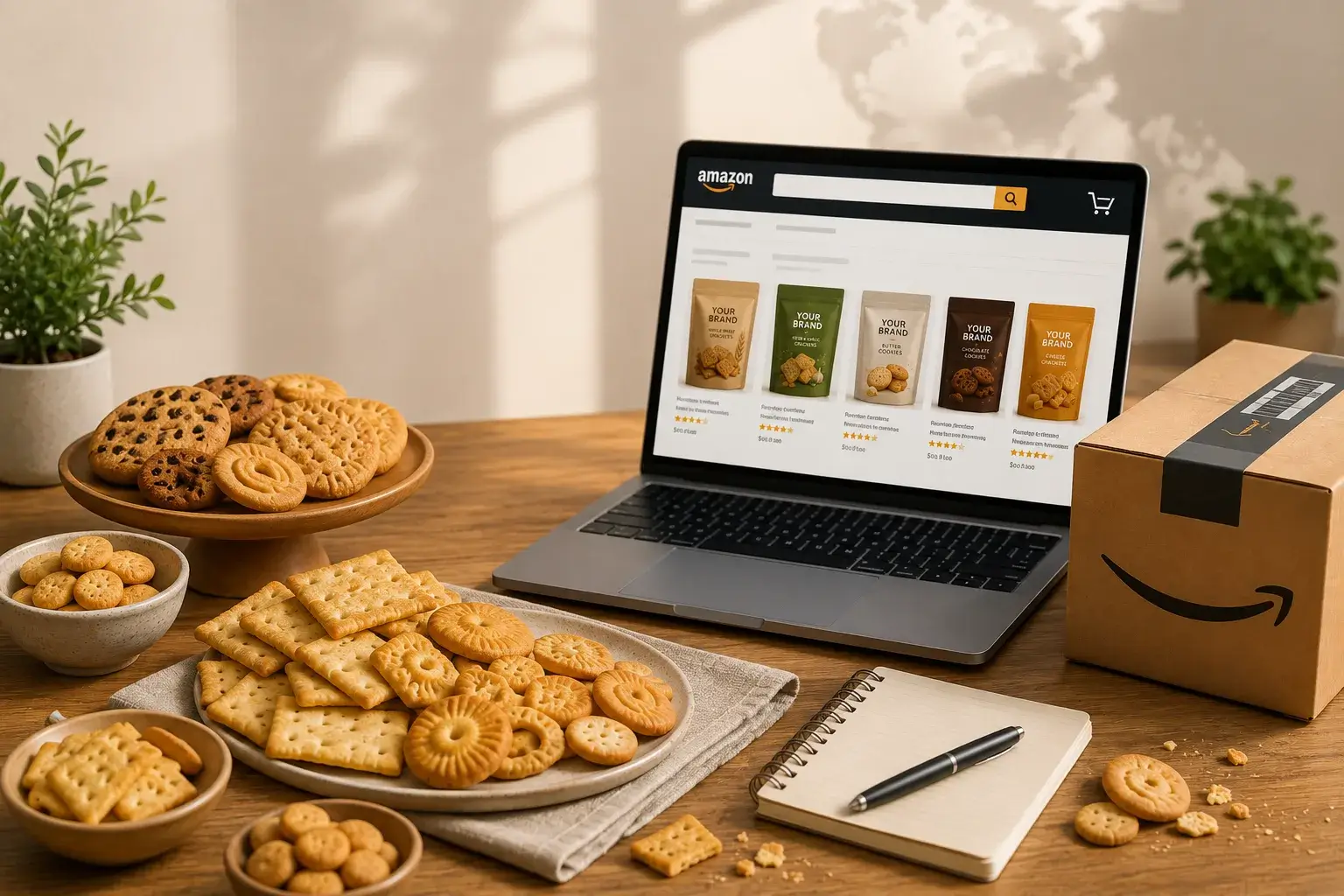
Amazon has become an important marketplace for food businesses seeking to reach consumers without building a large physical retail network. For snack companies, the platform creates opportunities to develop branded products, explore import snacks, and reach specialized customer segments. Private label selling on Amazon can be particularly valuable when supported by reliable manufacturing, consistent quality, and a clear product strategy.
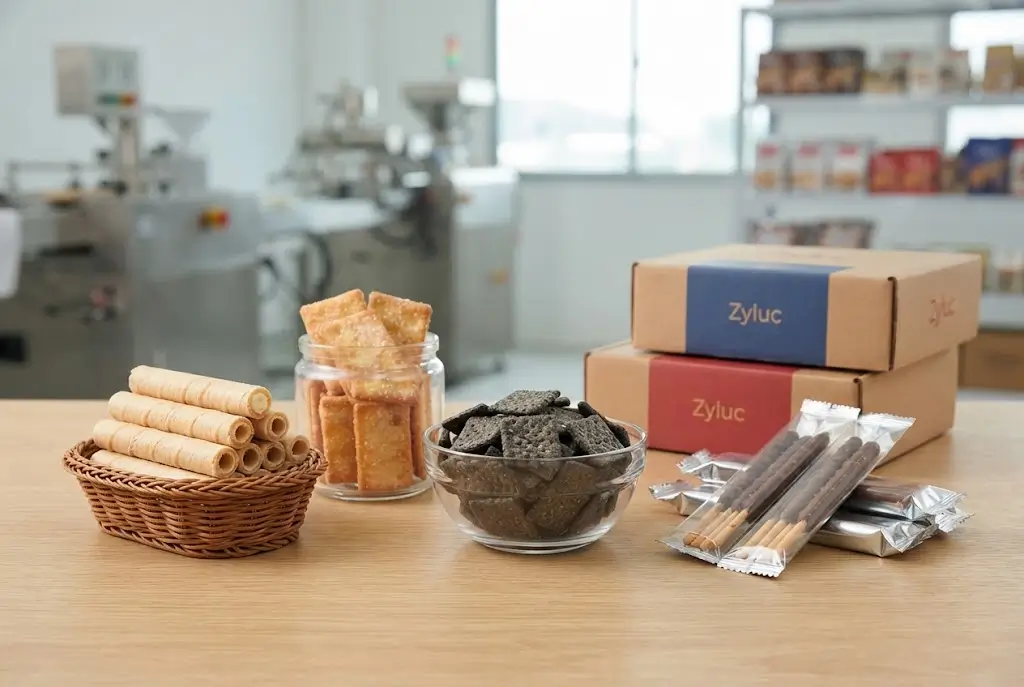
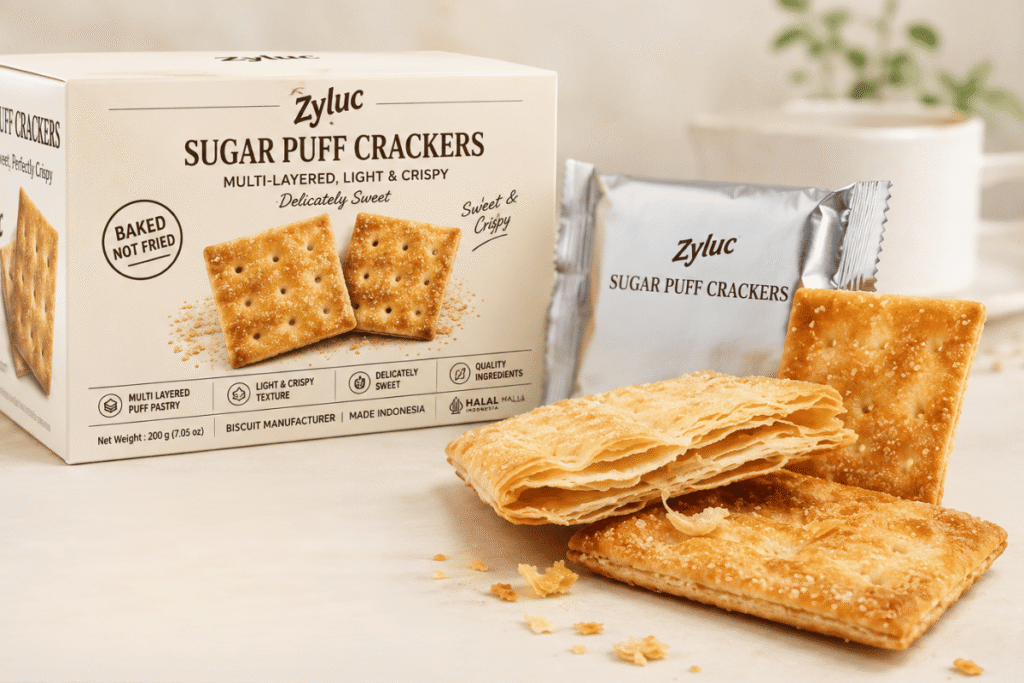
For businesses entering this market, choosing the right manufacturing partner is as important as creating an attractive online listing. Zyluc provides biscuits and wafers for wholesale, B2B, and private label programs, including opportunities for Private Label USA businesses and buyers seeking amazon snacks in bulk. With over 30 years of baking experience, Zyluc is dedicated to creating high-quality biscuits and wafers using carefully selected ingredients. Our snacks are crafted to suit diverse preferences and are enjoyed by customers across the globe.
Understanding the Private Label Opportunity
Private label selling on Amazon allows a business to market products under its own brand while working with a manufacturer that produces the goods. Instead of investing in an entire production facility, a seller can focus on branding, packaging, marketing, distribution, and customer relationships. This structure can reduce operational complexity and provide a practical route into the snack category.
The model can serve established distributors, emerging food brands, retailers, and entrepreneurs. A suitable manufacturer can support product selection, specifications, packaging requirements, and production planning. However, successful private label programs require careful coordination. Buyers should evaluate manufacturing experience, ingredient standards, quality procedures, production capacity, export readiness, and communication before placing commercial orders.
Why Biscuits and Wafers Fit Amazon
Private label selling on Amazon is well suited to shelf-stable snack products because biscuits and wafers can serve multiple consumer occasions. They may be purchased for everyday snacking, office supplies, family consumption, gifting, travel, or foodservice applications. Their variety also allows brands to build collections around flavors, formats, textures, and packaging sizes.
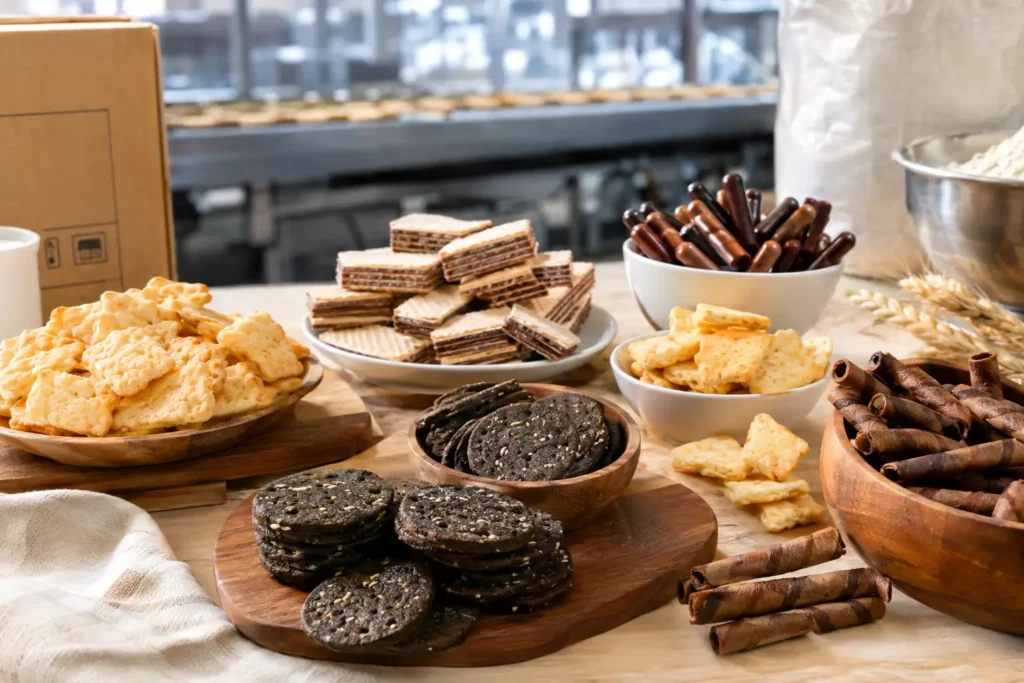
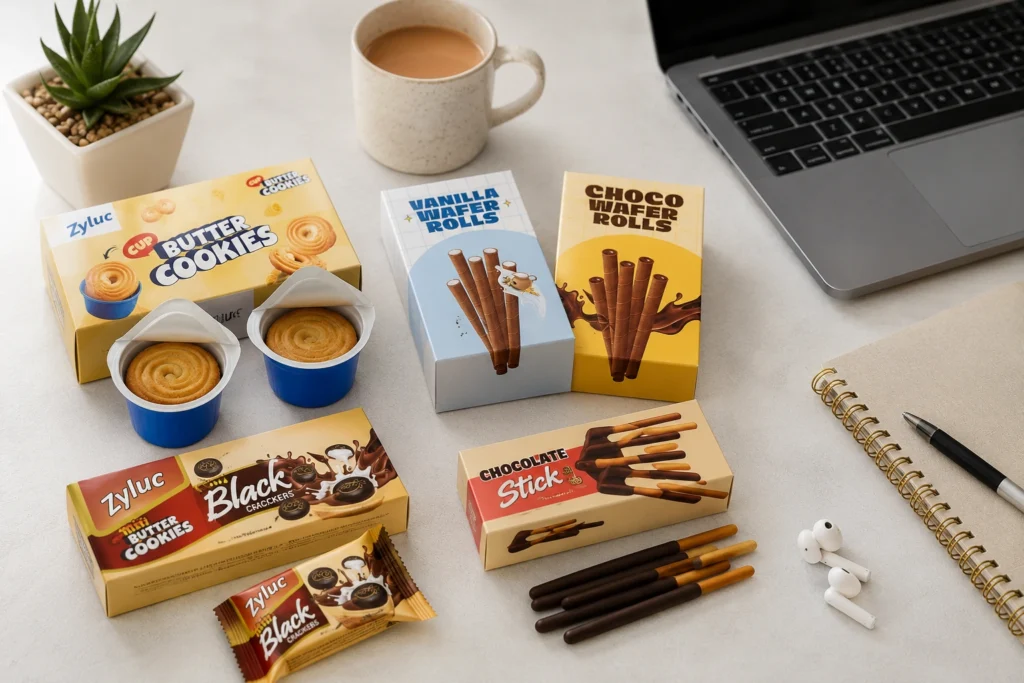
A strong snack portfolio can include classic biscuits, cookies, wafer products, chocolate-coated formats, and other convenient treats. Product differentiation may come from recipe, shape, portion size, packaging, positioning, or target audience. Rather than offering an unnecessarily large range, brands can begin with products that match a clearly defined customer need and expand after gathering market feedback.
Choosing a Reliable Manufacturing Partner
Private label selling on Amazon depends heavily on dependable production. A manufacturing partner should be able to maintain consistent specifications from one production cycle to another. Quality consistency affects customer satisfaction, reviews, repeat purchases, and the long-term reputation of the brand.
Zyluc combines extensive baking experience with a focus on biscuits and wafers. Its capabilities can support businesses seeking wholesale supply, private label production, B2B cooperation, and export-oriented opportunities. Buyers should discuss product specifications, minimum order quantities, packaging formats, lead times, quality documentation, and shipping requirements before finalizing a program.
Product Quality and Ingredient Selection
Private label selling on Amazon should begin with product quality rather than packaging alone. Consumers can quickly compare competing snacks, and product reviews can strongly influence purchasing decisions. Consistent texture, flavor, appearance, freshness, and packaging integrity are therefore essential elements of a competitive offering.
Carefully selected ingredients can contribute to a product’s identity and eating experience. Manufacturers and buyers should establish clear specifications for ingredients, allergen information, nutritional data, shelf life, and production controls. Transparent communication between the brand owner and manufacturer helps prevent misunderstandings and supports reliable product development.
Packaging for E-Commerce
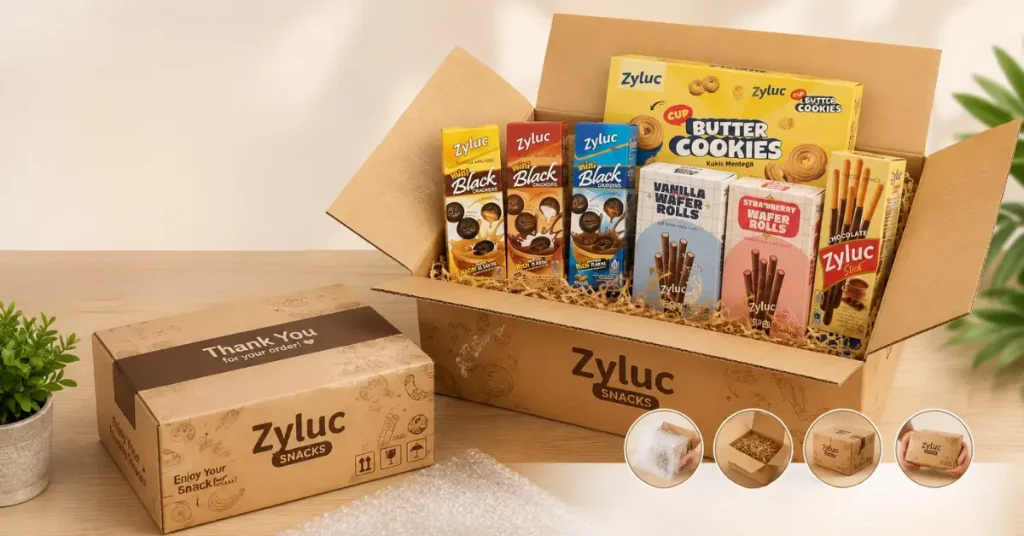
Packaging plays a major role in private label selling on Amazon because products must withstand handling, storage, transportation, and fulfillment processes. A package should protect the biscuits or wafers while presenting the brand clearly. It should also provide practical information required for the target market and product category.
Good packaging balances protection, appearance, functionality, and cost. Brand owners should consider package dimensions, material selection, serving information, product photography, labeling requirements, and carton configuration. Attractive packaging can support recognition, but it should remain consistent with the product’s positioning and intended customer.
Building a Distinct Brand
Private label selling on Amazon becomes more sustainable when the product is supported by a recognizable brand identity. A private label should communicate a clear reason for customers to choose it instead of a competing product. This reason may be related to taste, quality, convenience, product format, brand story, or a particular consumer segment.
Brand development should extend beyond a logo. Names, colors, packaging language, photography, product descriptions, and customer communication should create a coherent experience. For snack brands, visual presentation can be especially important because customers often make initial judgments from packaging images and product pages.
Preparing an Amazon Product Listing
Private label selling on Amazon requires accurate and persuasive product information. A listing should clearly explain what the product is, who it is intended for, and what makes it useful or distinctive. Product titles, bullet points, descriptions, images, and other content should communicate relevant information without making unsupported claims.
High-quality images should show the packaging, product appearance, serving presentation, and important details. Written content should remain professional and easy to understand. Before publication, sellers should verify product data, ingredients, allergen statements, net quantity, and other applicable information to reduce errors that could affect customer trust.
Pricing and Commercial Planning
Private label selling on Amazon requires pricing that accounts for more than the manufacturing cost. A complete calculation may include packaging, freight, customs-related expenses, marketplace fees, fulfillment, advertising, storage, returns, and promotional activity. Ignoring these expenses can produce an attractive sales volume without a sustainable margin.
A practical pricing strategy should begin with the desired market position. Premium products may emphasize ingredients, presentation, or specialized recipes, while value-oriented products may compete through quantity and accessibility. Manufacturers can help buyers understand production considerations, but the final retail strategy should reflect the brand owner’s commercial objectives.
Read More: How to Build the Perfect Charcuterie Board
Inventory and Supply Planning
Private label selling on Amazon also requires disciplined inventory management. Running out of stock can interrupt sales momentum, while excessive inventory can increase storage costs and tie up working capital. Forecasting should consider expected sales, production lead times, shipping schedules, seasonal demand, and promotional campaigns.
A brand should establish reorder points before launching a product. Communication with the manufacturer is important when demand changes unexpectedly. For international B2B programs, buyers should also account for transit time and import procedures. Reliable planning creates a smoother relationship between manufacturing, logistics, and marketplace operations.
B2B and Wholesale Opportunities
Although Amazon can provide direct access to consumers, private label selling on Amazon does not need to operate separately from a broader B2B strategy. A successful snack product may also interest distributors, specialty retailers, foodservice companies, and regional wholesalers.
Zyluc supports commercial relationships beyond direct consumer sales by offering wholesale and B2B opportunities for biscuits and wafers. This broader approach can help brands explore multiple channels instead of relying on one marketplace. Buyers can develop a product for Amazon while also considering future opportunities with distributors and retail partners.
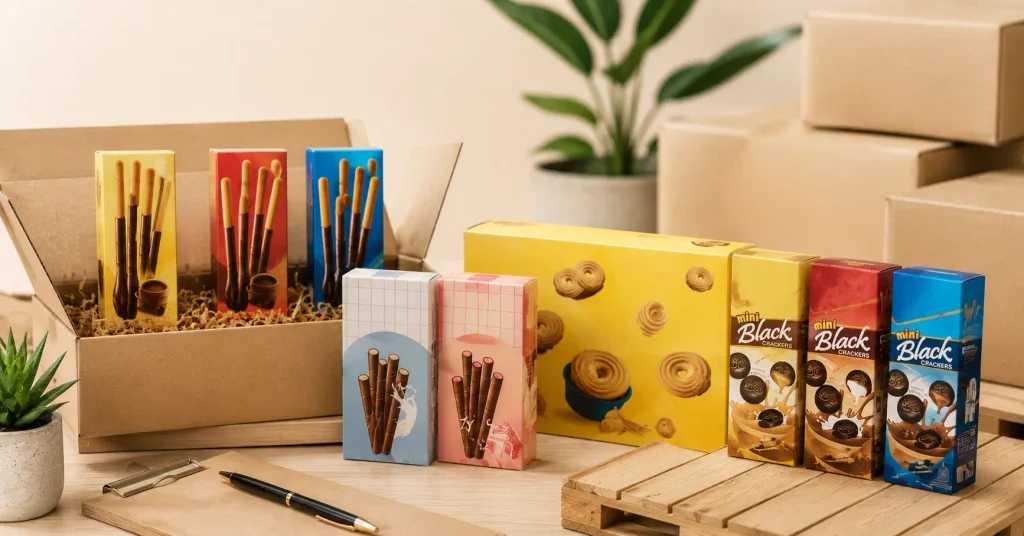
Working With Zyluc
Private label selling on Amazon can be strengthened by working with a manufacturer that understands both product quality and commercial requirements. Zyluc offers a focused portfolio of biscuits and wafers backed by more than 30 years of baking experience. The company works with businesses seeking wholesale supply, private label solutions, and B2B cooperation.
For prospective partners, the process can begin with product selection and business requirements. Discussions may cover target markets, packaging, specifications, order quantities, timelines, and commercial objectives. A clear initial brief allows both parties to determine whether a product concept is suitable for development and production.
Expanding a Snack Portfolio
Private label selling on Amazon can begin with one product and develop into a broader portfolio. Once a brand understands customer preferences, it may introduce additional flavors, formats, sizes, or related biscuit and wafer products. Expansion should be based on evidence rather than simply increasing the number of products.
A structured portfolio can create opportunities for bundles, multipacks, seasonal offerings, and complementary products. However, every addition should maintain the same standards for quality and brand positioning. Consistency helps customers understand what they can expect from the brand as its product range grows.
Long-Term Brand Development
Private label selling on Amazon should be viewed as a long-term business strategy rather than a short-term listing exercise. Sustainable growth depends on product quality, customer satisfaction, reliable supply, effective branding, and continuous evaluation. Sales data and customer feedback can help identify opportunities for improvement.
Brands that establish dependable manufacturing relationships can respond more effectively as demand develops. Product updates, packaging improvements, new flavors, and channel expansion can be planned with greater confidence when production capabilities are well understood. A strong foundation can support growth both on Amazon and through other commercial channels.
Launch Planning and Differentiation
A thoughtful launch plan can make private label selling on Amazon more manageable for a growing snack business. Before production begins, the brand should define its target customer, product positioning, package configuration, expected sales volume, and supply timeline. These decisions provide a practical framework for communication with the manufacturer and marketplace team.
Differentiation should be based on genuine product value. A business may compete through a distinctive recipe, convenient package size, attractive presentation, consistent quality, or a clearly defined audience. For private label selling on Amazon, the objective is not simply to enter a crowded category, but to establish a product identity that customers can recognize and trust.
Zyluc can support businesses evaluating these opportunities through biscuit and wafer products suitable for wholesale, private label, and B2B programs. Its more than 30 years of baking experience provides a foundation for discussions about product selection, specifications, production requirements, and commercial supply. A clear brief at the beginning can help partners evaluate feasibility and plan the next stage efficiently. Follow our Instagram and Website to get more information.