
Blog
High Quality White Label Suppliers to Strengthen Your Brand

Choosing the right partner is a crucial step in ensuring product quality and sustainable business growth. White label suppliers offer a strategic solution for businesses that want to deliver high-quality products without managing production themselves. This approach allows you to focus more on branding, customer experience, and marketing efforts, including efficient strategies like order pastry to meet market demand with ease and consistency.
Moreover, the flexibility provided by trusted suppliers enables you to create attractive product variations tailored to your audience. You can experiment with promotions, seasonal offers, and creative concepts such as a bundling package to increase perceived value and boost sales. With reliable supplier support, your business can scale faster, maintain consistent quality, strengthen brand identity, and build long-term customer trust in a competitive market landscape.
Key Benefits of Working with White Label Suppliers
Working with white label suppliers offers clear advantages for businesses aiming to grow efficiently without heavy operational burdens. By outsourcing production, companies can access ready-made expertise and streamlined processes that reduce delays and complexity. This allows businesses to launch products faster while maintaining consistent quality standards that customers expect in competitive markets today.
In addition, partnering with experienced suppliers helps reduce overhead costs and operational risks. Businesses no longer need to invest heavily in equipment, labor, or facilities, making it easier to allocate resources toward strategic areas. This approach supports long-term sustainability, enabling brands to stay agile, respond to trends, and continuously deliver value without compromising efficiency or product integrity.
Faster Time to Market
White label suppliers significantly shorten product development cycles by providing ready-to-use solutions. Businesses can skip lengthy research, testing, and production setup, allowing them to introduce new products quickly. This speed helps brands respond to market trends in real time and gain a competitive edge. Faster launches also create opportunities to test ideas, gather feedback, and refine offerings without long delays.
Lower Production Costs
Collaborating with suppliers reduces the need for large capital investments in manufacturing infrastructure. Businesses benefit from economies of scale, as suppliers often produce in bulk at lower costs. This efficiency minimizes expenses related to labor, equipment, and maintenance. As a result, companies can maintain healthy profit margins while offering competitive pricing to attract more customers.
Focus on Branding and Marketing
By outsourcing production, businesses can dedicate more time and energy to building a strong brand identity. Efforts can be directed toward storytelling, customer engagement, and targeted marketing strategies. This focus enhances brand recognition and customer loyalty. With fewer operational distractions, companies can refine their messaging and create more impactful campaigns that resonate with their audience.
Scalability for Business Growth
White label suppliers provide flexibility that supports business expansion. As demand increases, production can be scaled without requiring major internal adjustments. This adaptability ensures that businesses can handle growth smoothly while maintaining consistent quality. It also allows brands to explore new markets, expand product lines, and seize opportunities without being limited by production capacity.
White label suppliers play a vital role in helping businesses operate more efficiently and strategically. They offer a practical pathway to reduce costs, accelerate product launches, and focus on core business strengths. By leveraging these partnerships, companies can build stronger brands, adapt to changing market demands, and sustain long-term growth. Ultimately, choosing the right supplier is not just about convenience, but about creating a solid foundation for continuous innovation and success.
Industries That Commonly Use White Label Solutions
Many industries rely on white label suppliers solutions to streamline production and accelerate growth, but the Food and Beverage sector stands out as one of the most active users. Businesses in this space often need consistent quality, fast turnaround, and scalable production, making partnerships with white label suppliers a practical and strategic choice to meet evolving consumer demands.
In the Food and Beverage industry, companies such as cafes, bakeries, and retail brands use white label suppliers to offer ready-to-sell products without managing complex manufacturing processes. This allows them to introduce new menu items, packaged goods, or seasonal offerings while maintaining efficiency and focusing on customer experience and brand identity.
Ultimately, white label solutions help F&B businesses scale faster and reduce operational complexity. By leveraging external expertise, brands can expand product offerings, improve efficiency, and strengthen their market position without compromising quality or customer satisfaction.
Read More: “American Snacks Shops Online: A Complete Guide to Finding the Best Snacks“
Characteristics of a Reliable White Label Supplier
A reliable partner plays a crucial role in maintaining product standards and supporting long-term business success. In competitive markets, businesses depend on white label suppliers that can consistently deliver high-quality products aligned with brand expectations. Reliability is not only about production but also about maintaining trust through clear processes, dependable timelines, and strong operational systems.
Beyond product delivery, a dependable supplier demonstrates professionalism through responsiveness and accountability. Strong collaboration with white label suppliers allows businesses to adapt quickly to market demands while maintaining efficiency. This relationship creates stability, reduces risks, and ensures that every product released reflects the brand’s promise and quality commitment.
Consistent Product Quality
A reliable supplier ensures that every product batch meets the same standard from start to finish. This consistency is essential for maintaining customer trust and protecting brand reputation. High-quality control processes, proper sourcing of ingredients, and standardized production methods help avoid variations. When quality remains stable, businesses can confidently deliver products that meet customer expectations every time.
Transparent Communication
Transparent communication allows both parties to stay aligned throughout the collaboration process. A dependable supplier provides clear updates, realistic timelines, and immediate responses to any concerns. This openness reduces misunderstandings and improves efficiency in decision-making. Strong communication also builds trust, ensuring that any issues can be resolved quickly without disrupting production or harming the business relationship.
Certifications and Compliance
Certifications and compliance demonstrate that a supplier follows industry standards and regulations, which is especially important when working with white label suppliers responsible for product safety and quality. This includes food safety certifications, quality assurance systems, and legal requirements. A compliant supplier ensures products are safe, meet market standards, protect customers, and help businesses avoid legal risks, penalties, and potential damage to brand credibility.
Flexible Production Capacity
Flexible production capacity allows a supplier to adjust output based on business needs. Whether demand increases or decreases, a capable supplier can adapt without sacrificing quality or delivery speed. This flexibility is especially important for seasonal trends or business expansion. It enables companies to scale efficiently, manage inventory better, and respond quickly to changing market conditions.
Selecting the right supplier shapes how your business performs in the long run, especially when partnering with white label suppliers that influence product consistency and brand perception. Strong reliability, clear communication, and adaptable production create a smoother workflow and better outcomes. With the right partner, you can maintain quality, respond to demand confidently, and build a brand that customers trust and continue choosing over time consistently.
What Questions Should You Ask Before Choosing a Supplier?
Before choosing a partner, businesses need to ask the right questions to avoid costly mistakes and ensure smooth operations. Understanding how white label suppliers manage orders, timelines, and flexibility helps you evaluate whether they align with your business goals. Asking detailed questions early also minimizes risks and creates a more transparent working relationship from the beginning.
Clear communication during the selection process helps uncover potential challenges that may not be obvious at first. Reliable white label suppliers will provide honest answers about capabilities, limitations, and costs. This clarity allows businesses to plan better, set realistic expectations, and build a partnership based on trust and efficiency rather than assumptions.
Minimum Order Quantity (MOQ)
Understanding MOQ is essential for managing inventory and cash flow effectively. A supplier with flexible minimums allows businesses to test products without overcommitting resources. Lower MOQs are especially helpful for startups or new product launches. Knowing these requirements helps prevent excess stock and ensures better financial planning from the beginning.
Lead Times and Delivery Process
Lead time directly affects how quickly products reach your customers. It is important to ask about production timelines, shipping methods, and possible delays. A clear delivery process ensures better planning and reduces the risk of stock shortages. Reliable suppliers will provide realistic timelines and consistent updates throughout the production and shipping stages.
Customization Options
Customization allows businesses to create unique products that reflect their brand identity, especially when working with white label suppliers that offer flexible production options. Asking about packaging, ingredients, or labeling helps you understand adaptability. Greater customization makes it easier to differentiate products, strengthen brand recognition, and appeal effectively to target markets. This approach supports faster market entry and customer alignment.
Pricing Structure and Hidden Costs
Understanding the full pricing structure prevents unexpected expenses later. Businesses should ask about production costs, packaging fees, shipping charges, and any additional costs that may arise. Transparent pricing helps with accurate budgeting and ensures that profit margins remain healthy without surprises that could impact financial stability.
Quality Control and Product Samples
Evaluating quality control processes and requesting product samples is crucial before committing to a supplier. Samples allow businesses to assess taste, appearance, and consistency firsthand. A supplier with strict quality checks ensures reliable output. This step reduces risks, builds confidence in the partnership, and ensures the final product aligns with your brand standards.
Choosing the right supplier requires careful evaluation and thoughtful decision-making, especially when working with white label suppliers that influence product quality and brand reputation. By asking the right questions, businesses can avoid unnecessary risks and build a more reliable partnership. Clear expectations around pricing, production, and flexibility create a stronger foundation for collaboration. With the right approach, companies can operate more efficiently, maintain better control over their processes, and position themselves for steady and sustainable growth in competitive markets.
Cost Considerations and Budget Planning
Cost planning plays a critical role in determining the sustainability and growth of a business. When working with white label suppliers, companies must carefully evaluate both upfront expenses and ongoing financial commitments. A clear understanding of costs helps prevent overspending and ensures that every investment supports long-term business objectives effectively.
Structured budgeting allows businesses to allocate resources more strategically across production, marketing, and operations. Collaborating with white label suppliers can reduce unnecessary expenditures, but only when cost planning is handled properly. By balancing expenses with expected returns, businesses can maintain financial stability while positioning themselves for consistent and scalable growth in competitive markets.
Initial Investment vs Long-Term ROI
Evaluating initial investment against long-term return on investment is essential for smart decision-making. While upfront costs may seem high, they often lead to better efficiency and profitability over time. Businesses should consider how early spending supports future growth, brand development, and operational improvements. A well-calculated investment ensures that short-term expenses translate into sustainable long-term benefits.
Managing Operational Costs
Managing operational costs involves monitoring expenses related to production, logistics, and daily business activities. Efficient cost control helps maintain healthy profit margins without compromising product quality. Businesses should regularly review processes, identify inefficiencies, and optimize spending. This approach ensures that operations remain lean, flexible, and capable of adapting to changes in demand or market conditions.
Pricing Strategy for Profitability
A strong pricing strategy ensures that products remain competitive while generating sufficient profit. Businesses need to consider production costs, market demand, and customer expectations when setting prices. The right balance between affordability and value perception helps attract customers and sustain revenue growth. Strategic pricing also allows businesses to remain competitive without sacrificing profitability.
Effective cost planning creates a solid financial foundation for long-term success, especially when businesses collaborate with experienced white label suppliers to streamline production and reduce overhead. By understanding investments, controlling operational expenses, and setting the right pricing strategy, companies can operate more efficiently and confidently. Careful budgeting supports better decision-making and reduces financial risks. With a clear financial structure in place, businesses can focus on growth, improve profitability, and adapt to evolving market conditions without losing stability or direction.
Read More: “Private Label Product to Sell with Winning Market Trends“
Why Zyluc Is the Right White Label Partner for Your Brand?

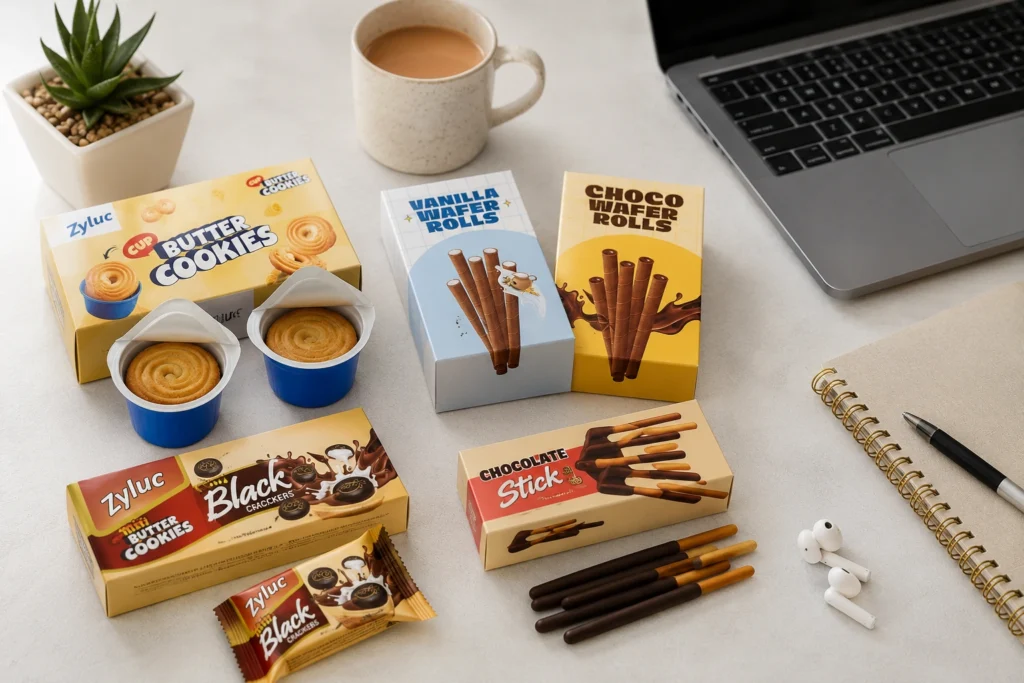
Zyluc positions itself as a partner for businesses aiming to develop snack products efficiently while maintaining brand identity. With expertise in manufacturing wafer roll snacks, chocolate sticks, mini black crackers, and butter cookies, Zyluc supports brands through customizable production systems that align with market demands and consumer preferences.
As one of the trusted white label suppliers, Zyluc emphasizes consistent quality and precise production standards. Every stage, from ingredient selection to packaging, is managed to ensure uniform results. This structured approach helps businesses maintain product reliability, strengthen brand credibility, and compete in increasingly crowded snack markets.
Beyond production, Zyluc offers flexibility that supports startups and brands. Their scalable solutions allow businesses to adjust volumes and customize products without strain. By collaborating with experienced white label suppliers, companies can focus on marketing and expansion while ensuring their products remain competitive and aligned with industry trends.
Steps to Start a Partnership with Zyluc
Starting a partnership with Zyluc begins with a structured approach that ensures your brand goals align with production capabilities. From the first interaction, the focus is on understanding your business model, target market, and product expectations. This early clarity helps streamline decisions and reduces unnecessary revisions throughout the process, especially when working with experienced white label suppliers in competitive markets.
As the collaboration progresses, Zyluc emphasizes efficiency, transparency, and adaptability. Each stage is designed to keep communication clear while maintaining product quality and timeline commitments. By combining flexibility with consistent support, businesses can scale confidently and respond to market demands faster without compromising brand identity or operational flow.
Initial Consultation and Needs Assessment
The partnership starts with a detailed consultation to define your product vision, target audience, and pricing strategy, especially when working with white label suppliers like Zyluc. They gather key insights to recommend suitable snacks and production approaches, ensuring alignment between brand direction and manufacturing capabilities before development and execution begin.
Product Selection and Customization Process
After defining your needs, Zyluc guides you through selecting products that match your brand positioning. Customization options include flavor profiles, packaging design, and portion sizes. This process is handled with precision to ensure your final product stands out in the market while maintaining consistency, quality standards, and appeal across different distribution channels.
Order Execution and Ongoing Collaboration
Once the product is finalized, Zyluc manages production and delivery with a focus on reliability and efficiency. Clear timelines and consistent updates help maintain trust throughout the process. Beyond order fulfillment, ongoing collaboration ensures your brand continues to evolve, making it easier to adjust strategies and scale alongside trusted white label suppliers.
Strong partnerships rely on continuous communication and shared goals. With Zyluc, businesses gain more than just a manufacturer, brands gain a long-term collaborator focused on growth and innovation. This approach allows companies to remain competitive, adapt quickly to trends, and build a sustainable presence in the snack industry with confidence and clarity.
Building a Competitive Snack Brand with Zyluc
Building a competitive snack brand requires more than good taste; it demands consistency, strong positioning, and efficient production. Zyluc helps businesses turn ideas into market-ready products through customizable snack solutions, enabling brands to move faster while maintaining quality and identity in an increasingly crowded industry today’s global market.
As one of the reliable white label suppliers, Zyluc ensures product meets consistent standards, from ingredient sourcing to final packaging. This reliability allows brands to build trust with customers while focusing on marketing, storytelling, and differentiation, which are essential for standing out in competitive retail and digital channels.
Beyond production, Zyluc connects brands with audiences through its Instagram presence and official website, offering inspiration and communication. Partnering with white label suppliers like Zyluc gives businesses the advantage of visibility, flexibility, and speed, helping them grow stronger, reach markets, and adapt quickly to evolving consumer trends.