Blog
Private Label Product Wholesale for Modern Retail Needs
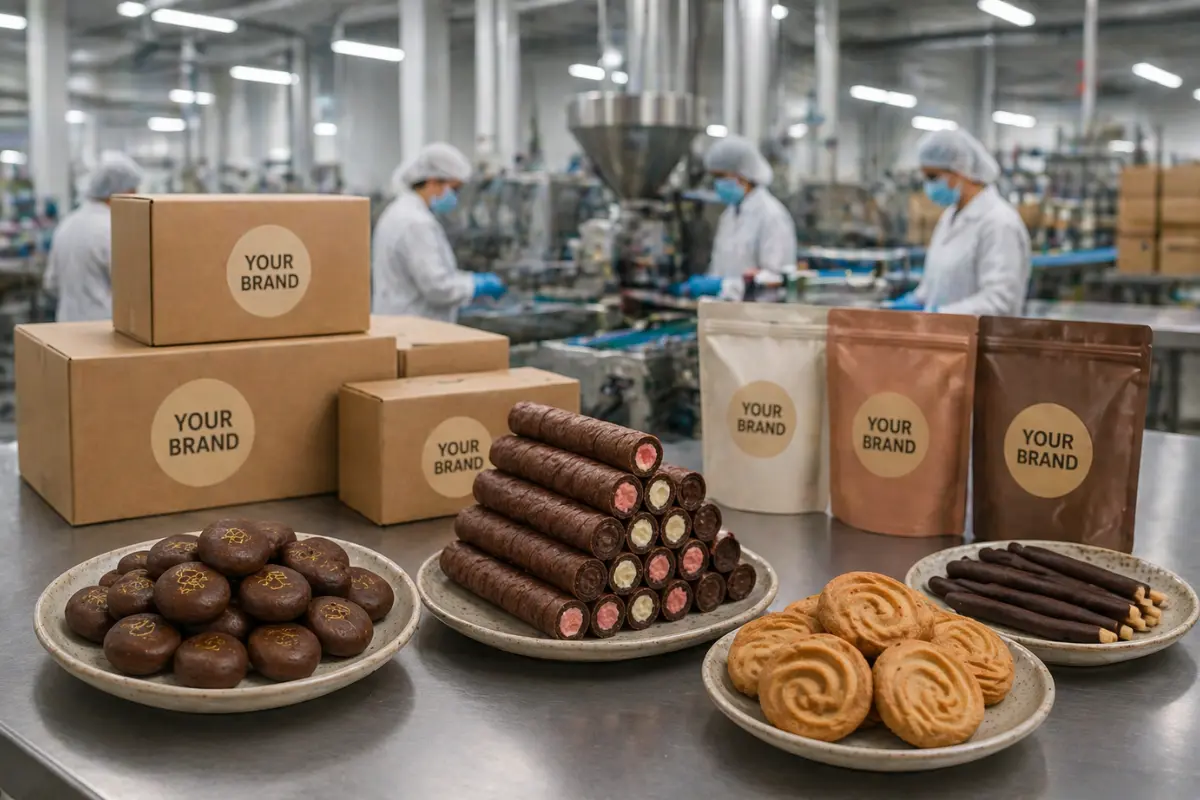
Modern retail continues to evolve as businesses seek differentiation in competitive markets. One effective strategy is adopting private label products wholesale, enabling retailers to build exclusive branding and stronger customer connections, especially in popular segments like sweet bun and danish bakery. By controlling branding and product direction, companies can align offerings with their target audience while improving flexibility in positioning and long-term growth across diverse retail environments today.
Cost efficiency is another key driver behind this shift. Retailers can collaborate directly with manufacturers to reduce dependency on national brands and improve margin control. Through a private label product wholesale model, businesses gain better pricing flexibility and respond quickly to changing demands without sacrificing quality, consistency, or operational stability in competitive markets.
Consumers today are more open to store brands that offer value and consistency. With reliable sourcing and strong private label product wholesale partnerships, retailers can scale efficiently, maintain quality, and continue innovating to support sustainable growth.
How the Wholesale System Supports Private Label Business?
The wholesale system plays a crucial role in helping retailers develop and distribute their own branded products efficiently. Instead of relying on multiple intermediaries, businesses can work directly with manufacturers to streamline production and ensure consistent supply. This approach simplifies operations while maintaining product quality and availability, allowing companies to focus more on branding, marketing, and customer engagement.
Another important aspect is the difference between wholesale and traditional retail models. Wholesale emphasizes bulk purchasing at lower costs, enabling better pricing strategies. By adopting a private label product wholesale approach, businesses gain stronger control over margins and inventory planning. This also supports scalability, making expansion easier.
The supply chain includes manufacturers, distributors, and logistics providers working together. Effective coordination ensures smooth production and timely delivery. With reliable private label product wholesale partnerships, businesses can maintain consistent supply, reduce delays, and strengthen their position in competitive retail markets.
Benefits of Private Label Products for Retail Businesses
Private label products wholesale provide significant advantages for retail businesses aiming to strengthen their market position. By offering exclusive items under their own branding, retailers can create a distinct identity that sets them apart from competitors. This approach builds stronger customer loyalty while allowing businesses to control product quality and presentation more effectively.
Retailers also gain flexibility to adapt products based on changing consumer preferences, ensuring continued relevance in dynamic markets. Through a private label product wholesale strategy, companies can streamline sourcing, improve operational efficiency, and maintain consistent product availability across various retail channels without relying heavily on external brands.
Higher Profit Margins
Private label products reduce dependency on third-party brands and minimize extra markups. By sourcing directly from manufacturers, businesses can control production costs more efficiently, allowing higher margins while still offering competitive pricing to customers. This structure also enables better cost transparency and long-term financial planning, helping retailers maintain profitability even when facing fluctuating market conditions and increasing competition in retail environments.
Brand Exclusivity and Control
Retailers gain full authority over branding, packaging, and product identity. This control strengthens market positioning and builds stronger customer recognition, helping businesses stand out in crowded retail spaces. It also allows companies to craft consistent brand messaging and customer experiences, ensuring that every product aligns with their values, vision, and overall retail strategy for stronger long-term brand loyalty.
Flexibility in Pricing Strategy
Retailers can adjust pricing based on demand, target segments, and competition. This flexibility supports both promotional campaigns and premium positioning without disrupting overall brand value. Businesses can experiment with pricing strategies, discounts, and bundles more effectively, allowing them to respond quickly to market trends while maintaining a balanced approach between affordability and profitability.
Product Customization Opportunities
Private label allows businesses to customize product features, ingredients, or packaging. This helps retailers better align their offerings with specific consumer preferences and emerging trends. Customization also opens opportunities for innovation, enabling brands to introduce unique variations that cater to niche markets, seasonal demand, or evolving consumer lifestyles in a more targeted and strategic way.
Stronger Market Adaptability
With private label product wholesale partnerships, retailers can quickly respond to changes in demand, launch new variations, and maintain consistent supply, ensuring stability in competitive markets. This adaptability supports faster decision-making and product development cycles, allowing businesses to stay relevant, minimize risks, and seize new opportunities as market conditions and consumer behaviors continue to evolve over time.
This approach supports sustainable growth by combining efficiency, flexibility, and stronger brand control, helping retailers remain relevant and competitive over time. It also enables businesses to optimize resources, improve operational consistency, and build long-term relationships with suppliers and customers. As market dynamics continue to shift, retailers that leverage private label strategies can better adapt, innovate continuously, and secure a stronger position within increasingly competitive retail landscapes.
Read More: “Snack Supplier: A Complete Guide for Growing Businesses“
Why Modern Retail Relies on Private Label Solutions?
Modern retail increasingly depends on private label strategies to stay competitive in a fast-changing market. Retailers are no longer focused only on selling established brands but also on building their own product lines to strengthen identity and customer loyalty. This shift allows businesses to respond more quickly to trends and consumer expectations while maintaining better control over pricing and quality.
By leveraging a private label product wholesale model, companies can streamline sourcing and reduce reliance on external suppliers. In addition, this approach supports long-term scalability, enabling retailers to expand their offerings efficiently while maintaining consistency across different sales channels and customer segments in a highly competitive environment.
Meeting Changing Consumer Preferences
Consumers today expect products that match their preferences, values, and lifestyles. Private label solutions allow retailers to quickly adapt by introducing new variations, improving quality, or adjusting packaging. With private label product wholesale partnerships, businesses can respond faster to demand shifts while maintaining product consistency and market relevance.
Competing with Established Brands
Private label products give retailers the ability to compete directly with well-known brands by offering similar or better value. By controlling production and pricing strategies, businesses can position their products more competitively. A private label product wholesale approach also helps maintain stable margins while increasing brand visibility.
Enhancing Store Identity
Retailers can strengthen their store identity through exclusive product offerings that reflect their brand values. Private label products create a unique shopping experience that builds customer trust and loyalty. This differentiation helps businesses stand out and develop stronger emotional connections with their target audience.
Improving Supply Chain Efficiency
Private label strategies help retailers optimize supply chain processes by working closely with manufacturers and logistics partners. This coordination reduces delays, improves inventory planning, and ensures consistent product availability. With a structured approach, businesses can minimize operational risks while maintaining efficiency in meeting customer demand.
Private label solutions help retailers strengthen branding, improve control, and adapt to changing consumer needs. By using a private label product wholesale approach, businesses can streamline sourcing, maintain consistent quality, and optimize supply chains more effectively. This strategy supports sustainable growth while increasing competitiveness in modern retail. Retailers also gain flexibility, improve efficiency, and ensure long-term stability in increasingly dynamic and demanding market environments.
Customization Opportunities in Private Label Wholesale
Customization plays a vital role in helping retailers differentiate their products in competitive markets. By developing unique packaging, branding elements, and product features, businesses can create a strong identity that resonates with their target audience. This flexibility allows retailers to align their offerings with current trends while maintaining consistency in quality and presentation. Through a private label product wholesale approach, companies can collaborate closely with manufacturers to ensure every detail meets their brand vision and customer expectations.
Customization supports innovation and long-term growth. Retailers can introduce new variants, adjust product formulations, and adapt quickly to market changes. With the support of private label product wholesale partnerships, businesses can scale efficiently while maintaining uniqueness. This approach also helps brands respond to regional preferences and evolving consumer demands, making them more competitive and adaptable in modern retail environments.
Packaging Design and Branding
Packaging design plays a critical role in attracting attention and strengthening brand identity. Retailers can customize colors, materials, and messaging to match their positioning. This consistency builds trust, improves shelf appeal, and enhances customer perception, while supporting long-term branding strategies in competitive retail markets. Strong packaging also influences purchasing decisions, helping products stand out visually and communicate value clearly to target customers.
Product Formulation and Variants
Custom product formulation allows retailers to create unique variations based on consumer preferences. Adjusting ingredients, flavors, or features helps businesses stay relevant and competitive. This flexibility encourages innovation and enables brands to target specific segments effectively in evolving retail environments. Through a private label product wholesale approach, businesses can respond faster to feedback, ensuring products remain aligned with changing consumer expectations and lifestyle trends while maintaining consistency in production and quality.
Market Specific Adjustments
Retailers can tailor products for different regions by adjusting packaging, labeling, or product features. This ensures better alignment with local preferences and increases acceptance. Market-specific customization strengthens brand relevance and supports expansion into diverse customer segments. By understanding regional behavior, businesses can improve engagement, enhance product appeal, and increase their chances of success in new or competitive markets.
Seasonal and Trend Based Innovation
Introducing seasonal or trend-based products helps retailers keep offerings fresh and engaging. Limited editions can attract attention and drive repeat purchases. Through a private label product wholesale strategy, businesses can efficiently launch new variations while maintaining consistent quality. This approach supports continuous innovation and keeps customer interest strong. It also creates a sense of urgency among buyers, encouraging faster decision-making and strengthening overall product demand during specific promotional periods.
Customization strengthens brand identity, improves product relevance, and supports long-term growth for retail businesses. By aligning product development with consumer preferences, companies can create more meaningful and competitive offerings in the market. With private label product wholesale strategies, retailers gain flexibility in managing production, ensuring consistent quality, and adapting quickly to demand changes. This approach also enhances operational efficiency, allowing businesses to innovate continuously while maintaining strong customer connections and building a sustainable presence in evolving retail environments.
Read More: “Import Snacks Secrets to Succeed in Competitive Markets“
Supply Chain Management for Private Label Success
Effective supply chain management is essential for ensuring the success of private label products in modern retail. Retailers must coordinate sourcing, production, and distribution processes to maintain consistent product availability and quality. A well-structured system helps reduce delays, control costs, and improve overall efficiency. By adopting a private label product wholesale approach, businesses can streamline supplier relationships and gain better visibility across the entire supply chain, enabling faster and more accurate decision-making in dynamic markets.
Strong supply chain management supports scalability and long-term growth. Retailers can respond more effectively to demand fluctuations and market changes while maintaining operational stability. With the support of private label product wholesale partnerships, businesses can optimize logistics, improve coordination, and ensure reliable delivery. This creates a more resilient system that allows companies to expand confidently while meeting customer expectations consistently.
Inventory Planning and Forecasting
Accurate inventory planning helps retailers balance supply and demand effectively. By analyzing sales data and market trends, businesses can forecast product needs and avoid overstocking or shortages. This ensures smoother operations and better resource allocation. With private label product wholesale systems in place, retailers gain improved control over stock levels, enabling timely replenishment, reducing waste, and maintaining consistent product availability across multiple sales channels.
Logistics and Distribution Channels
Efficient logistics and distribution are critical for delivering products on time and maintaining customer satisfaction. Retailers must coordinate transportation, warehousing, and delivery networks to ensure smooth operations. A well-managed system reduces delays and minimizes costs. Strong collaboration with logistics partners also allows businesses to expand their reach, improve service levels, and maintain consistent product flow in competitive retail environments.
Managing Lead Time Efficiently
Managing lead time effectively helps retailers maintain steady supply and avoid disruptions. By working closely with manufacturers and suppliers, businesses can reduce production delays and improve scheduling accuracy. Shorter lead times enable faster response to market demand and reduce the risk of stock shortages. This efficiency supports better planning, enhances operational reliability, and ensures that products reach customers consistently without unnecessary delays.
Strong supply chain management allows retailers to improve efficiency, reduce risks, and maintain consistent product quality. By integrating reliable systems, businesses can respond quickly to market changes while optimizing operations. This approach supports sustainable growth, strengthens partnerships, and ensures that retailers remain competitive in evolving markets while delivering value and consistency to customers.
Marketing Private Label Products in Modern Retail
Marketing plays a critical role in helping private label products gain visibility and compete effectively in modern retail environments. Retailers need clear strategies that highlight value, uniqueness, and brand identity to attract target customers. By applying a private label product wholesale approach, businesses can align marketing efforts with product positioning, ensuring consistency across campaigns and customer touchpoints while building a strong and recognizable brand presence.
Effective marketing also requires a balance between digital and offline strategies to reach wider audiences. Retailers can use data insights to understand customer behavior and refine promotional activities. With support from private label product wholesale partnerships, businesses can maintain product availability during campaigns, ensuring demand is met while strengthening credibility and improving overall customer satisfaction.
Building trust and engagement is essential for long-term success. Retailers can use consistent messaging, attractive promotions, and data-driven strategies to increase loyalty. With private label product wholesale systems, businesses can scale campaigns confidently while maintaining efficiency, ensuring continuous growth and stronger competitiveness.
Zyluc as a Trusted Partner for Private Label Product Wholesale

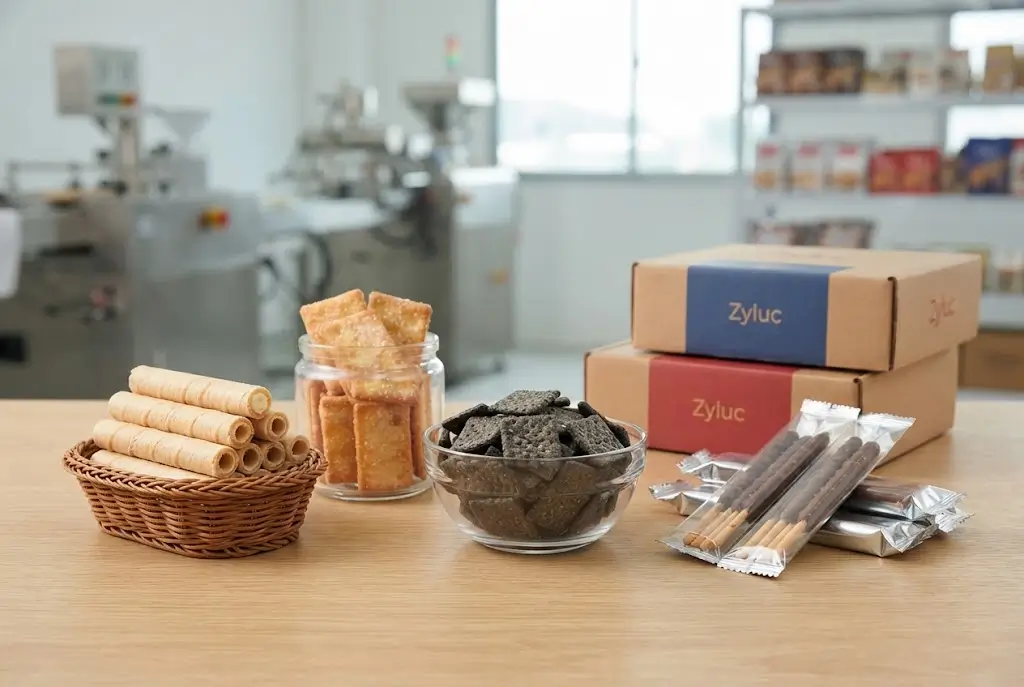
Choosing the right manufacturing partner is essential for retailers aiming to grow in competitive markets. Zyluc offers a reliable solution by providing high-quality snack products supported by efficient production systems and consistent quality control. With a strong understanding of market needs, the company helps businesses develop products that align with their branding and customer expectations. Through a private label product wholesale approach, retailers can simplify sourcing while maintaining flexibility and scalability.
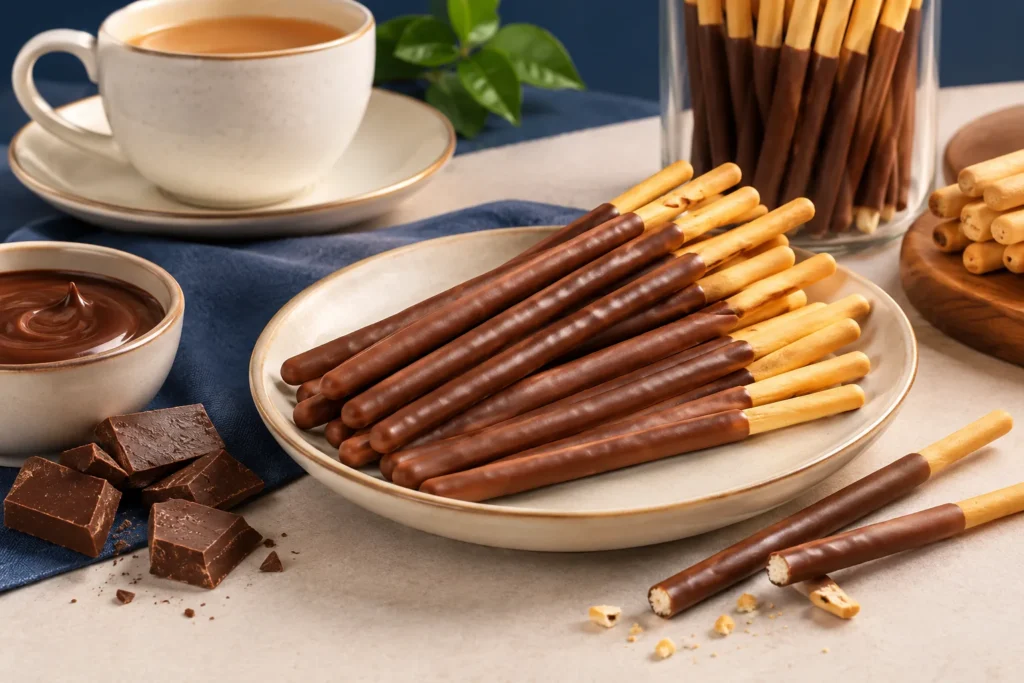
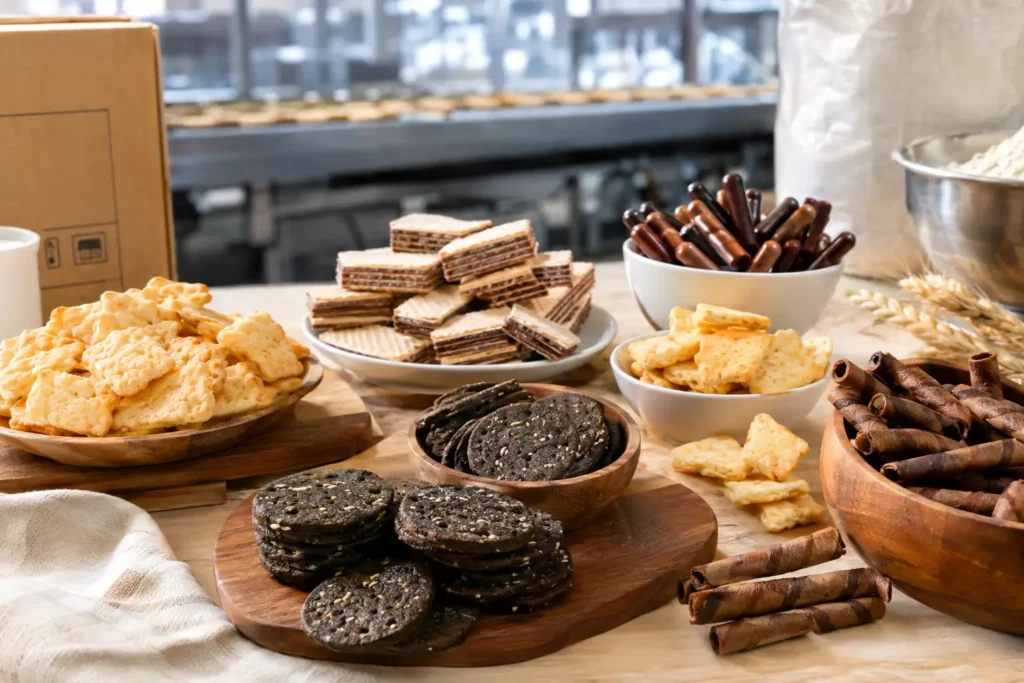
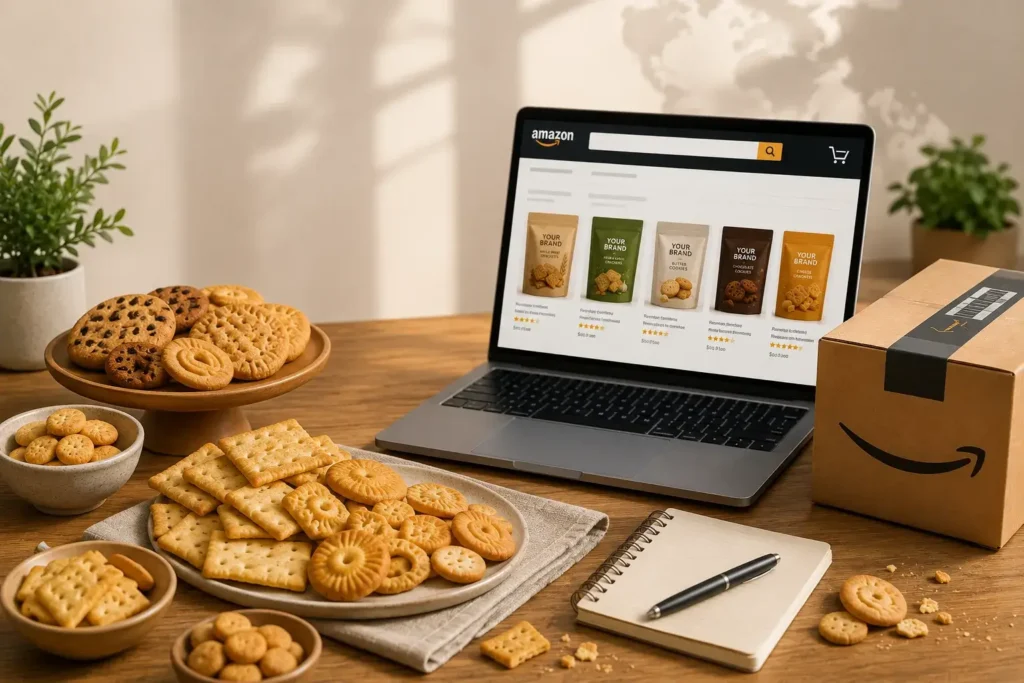
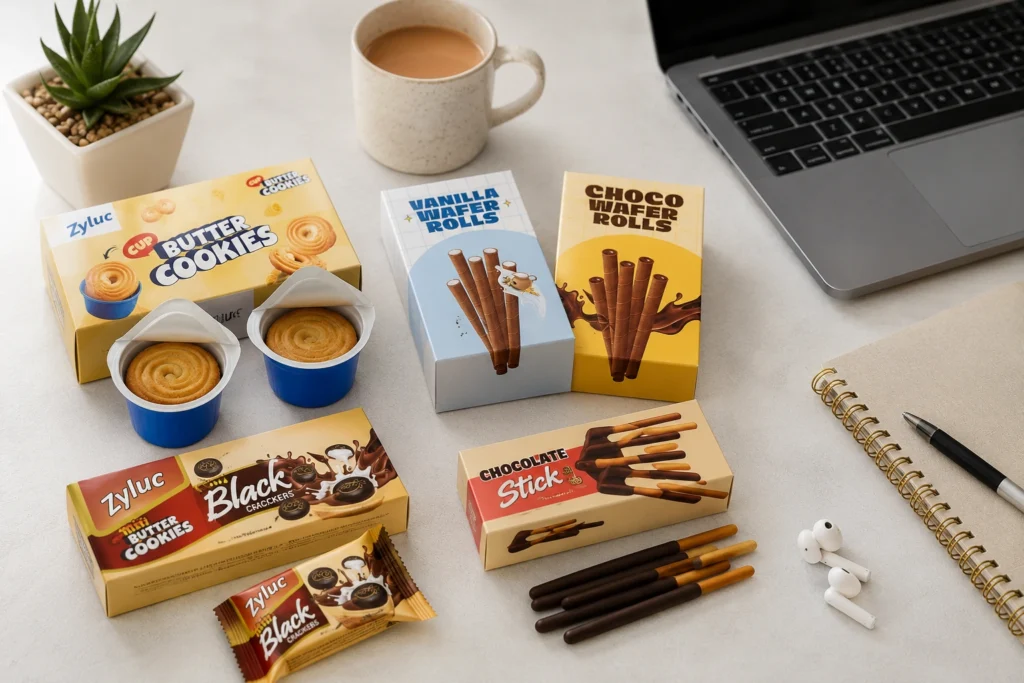
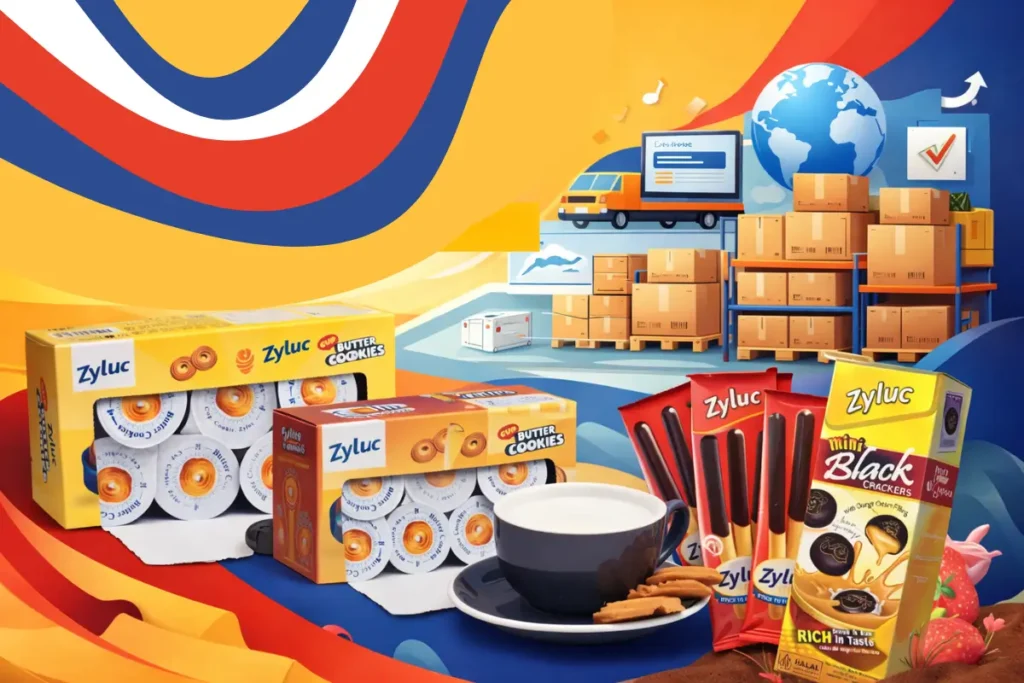
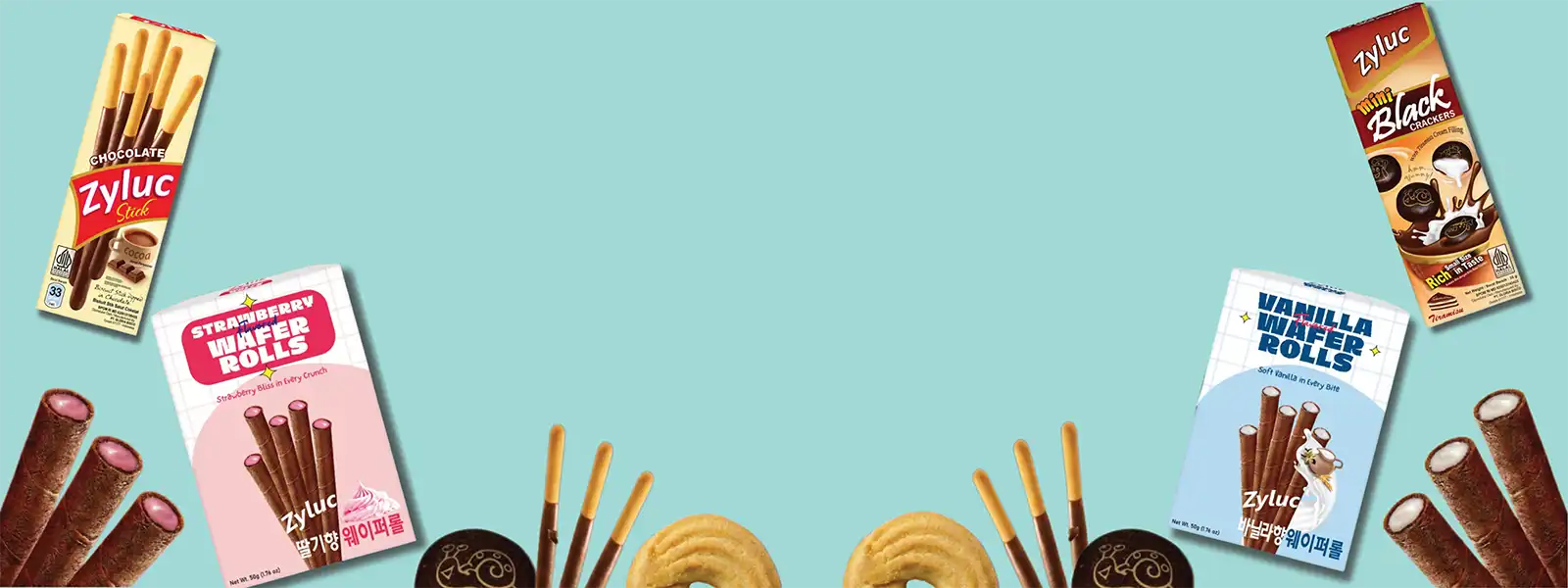
Zyluc specializes in a variety of snack categories such as wafer roll snacks, chocolate sticks, mini black crackers, and butter cookies. This range allows businesses to expand their product portfolio while maintaining uniqueness and consistent quality. By utilizing private label product wholesale services, companies can benefit from streamlined supply chains, timely production, and the ability to adapt quickly to changing market trends.
Start Your Private Label Journey with Zyluc!
Taking the next step in building your own brand requires a reliable partner that understands both product quality and market demands. Zyluc is ready to support your business with end-to-end solutions, from product development to large-scale production. With a strong focus on consistency and innovation, Zyluc helps retailers turn ideas into competitive products that stand out in modern retail markets.
If you are looking to scale efficiently, now is the right time to collaborate through a private label product wholesale approach. Zyluc offers flexibility, customization, and dependable supply, making it easier for your business to grow without operational complexity. To explore opportunities and start your journey, you can connect directly with Zyluc through Instagram at @zylucsnacks and visit our website at www.zylucsnacks.com. Get inspired, discuss your needs, and bring your private label product wholesale vision to life with a trusted partner.