
Blog
Bulk Buy Food Trends Driving Wholesale Market Growth

The wholesale food industry continues evolving as businesses seek faster distribution, stable inventory, and competitive pricing strategies. Many retailers now rely on bulk buy food systems to improve efficiency while responding to changing customer preferences. Flexible suppliers, innovative packaging, and scalable production have become important factors for companies wanting stronger market performance.
Consumer demand for healthier snacks, premium ingredients, and sustainable packaging also continues rising across global markets. Businesses involved in import snacks distribution are adapting quickly by offering modern products that balance affordability with quality. These trends encourage wholesalers to strengthen partnerships, improve logistics, and develop products that attract long term customer loyalty.
As competition increases, companies using bulk buy food strategies must focus on innovation, efficient supply chains, and reliable manufacturing support. Growing interest in snack import halal products also creates new opportunities for distributors targeting wider international markets while maintaining product quality and customer satisfaction.
The Expanding Role of Bulk Food Purchasing in Modern Retail
Bulk purchasing continues becoming a major strategy for retailers and distributors aiming to improve operational efficiency and maintain stable product availability. Many companies now depend on bulk buy food solutions to reduce purchasing costs while securing larger inventories for long term business growth.
Wholesale food purchasing provides important advantages for businesses managing large distribution networks. Companies can improve inventory control, lower transportation expenses, and increase profit margins through more organized supply chain systems. Digital procurement technology also helps businesses monitor stock levels, simplify purchasing decisions, and improve overall operational performance in competitive markets today.
The growth of online grocery platforms, warehouse retailers, and modern distribution channels continues driving demand for bulk buy food across global markets. Businesses that combine efficient logistics, scalable production, and reliable supplier partnerships are better positioned to meet changing consumer expectations while maintaining stable business expansion and stronger long term competitiveness.
Private Label Products Continue to Dominate Wholesale Growth
Wholesale markets continue evolving as retailers search for efficient sourcing strategies and supply chain stability. Businesses increasingly depend on private label manufacturing to improve profitability, maintain inventory, and respond faster to changing customer preferences. Growing consumer demand for healthier snacks, modern packaging, and affordable premium products also encourages suppliers to develop innovative solutions. These market changes are creating opportunities for companies investing in distribution systems and growth.
Retailers and distributors are also adapting to digital procurement systems that simplify purchasing decisions and improve inventory forecasting. Through bulk buy food strategies, businesses can secure competitive pricing while reducing risks caused by supply disruptions. Manufacturers capable of flexible production and customizable packaging are becoming valuable within wholesale industries. Companies that prioritize efficiency, innovation, and reliable partnerships are better positioned to achieve expansion across changing food markets.
Affordable Premium Positioning Is Driving Sales
Consumers increasingly prefer private label snacks that deliver premium quality without expensive pricing. Retailers responding to this trend are expanding product categories, improving packaging presentation, and strengthening marketing strategies for broader audience engagement. The rise of bulk buy food purchasing also supports affordable product distribution because businesses can manage inventory more efficiently while maintaining competitive retail prices. This combination of value, accessibility, and consistency continues driving demand regions.
Retailers Want Faster Product Development Cycles
Retailers continue demanding faster product launches to follow changing consumer interests and market trends. Manufacturers that can quickly adjust ingredients, packaging designs, and production schedules gain stronger advantages within competitive wholesale industries. Flexible product development also allows businesses to experiment with healthier snacks, global flavors, and functional ingredients without slowing distribution performance. Companies capable of rapid innovation often secure stronger partnerships with retailers seeking reliable suppliers for expanding private label opportunities worldwide today.
Strengthen Customer Loyalty
Private label products increasingly help retailers build stronger relationships with consumers seeking affordable and dependable food options. Consistent product quality, attractive packaging, and competitive pricing encourage repeat purchases while improving overall customer trust. Many retailers are also investing in exclusive product lines that create stronger brand identity within crowded retail environments. This strategy allows businesses to differentiate themselves from competitors while improving long term sales stability and customer engagement across growing wholesale food markets globally.
Data Driven Production Improves Efficiency
Modern manufacturers increasingly rely on data analysis and automated systems to improve operational efficiency across wholesale production networks. Through bulk buy food forecasting strategies, companies can better predict consumer demand, optimize inventory levels, and reduce unnecessary production waste. Advanced technology also helps businesses monitor product performance, improve distribution planning, and maintain consistent manufacturing quality. These operational improvements support stronger profitability while allowing wholesalers to respond faster to changing retail requirements and shifting customer purchasing behaviors.
Flexible Packaging Supports Retail Expansion
Packaging flexibility is increasingly important for retailers responding to changing consumer habits and market demand. Businesses prefer solutions that improve convenience, sustainability, and product visibility across channels. Smaller formats, resealable designs, and eco-friendly materials are growing in use within wholesale food industries. bulk buy food strategies also encourage efficient packaging for storage, transport, and distribution.
Private label growth continues reshaping wholesale food industries as retailers focus on affordability, innovation, and stronger customer engagement. Businesses investing in modern manufacturing systems, flexible packaging, and efficient supply chain strategies are becoming more competitive within changing global markets. The increasing importance of bulk buy food operations also supports long term inventory stability and improved profitability. Companies capable of adapting quickly to consumer trends will remain better positioned for sustainable growth and stronger wholesale market expansion globally.
Read More: “Smart Snack Importer with Best Global Choices“
Sustainability Is Reshaping Wholesale Food Strategies
Sustainability is becoming a major priority within wholesale food industries as retailers and manufacturers focus on reducing waste, improving logistics, and adopting greener packaging solutions. Many companies now integrate bulk buy food strategies with efficient transportation systems to reduce costs and environmental impact.
Companies are investing in recyclable materials, automated inventory systems, and energy efficient production technologies to improve sustainability performance. These improvements help reduce unnecessary waste while maintaining product quality and stable supply chains. Consumers increasingly prefer brands with transparency and ethical sourcing. Through bulk buy food planning, wholesalers can improve distribution efficiency and support sustainable growth across global markets.
Eco friendly innovation continues shaping wholesale food strategies as businesses balance profitability with environmental responsibility. Companies that adopt advanced logistics, efficient packaging, and responsible sourcing gain stronger customer trust and long term competitiveness. bulk buy food approaches help reduce costs while supporting sustainable market expansion globally efforts.
E-Commerce Is Accelerating Bulk Food Distribution
Wholesale markets continue evolving as digital commerce transforms how retailers and distributors manage inventory, customer demand, and supplier relationships worldwide. Businesses increasingly depend on faster procurement systems, automated logistics, and scalable distribution strategies to remain competitive within changing food industries. Through bulk buy food purchasing, companies can secure larger inventories while improving operational efficiency and maintaining more stable pricing structures across regional and international markets.
The expansion of online retail platforms also encourages wholesalers to strengthen fulfillment capabilities and improve delivery speed for growing customer expectations. Modern businesses now prioritize technology driven operations that simplify transactions, support inventory forecasting, and reduce supply chain disruptions. As consumer demand for convenience continues increasing, bulk buy food strategies help businesses maintain reliable product availability while supporting long term growth opportunities across increasingly competitive wholesale environments for businesses.
Subscription Models Increase Predictable Demand
Subscription based purchasing systems are becoming popular among retailers and consumers seeking convenience, consistency, and reliable product availability. These models help wholesalers improve inventory forecasting while creating stable recurring revenue opportunities across competitive food markets. Businesses using subscription strategies can better manage production schedules, reduce excess inventory risks, and strengthen customer retention through personalized ordering experiences. This growing trend continues supporting operational planning and distribution efficiency worldwide successfully.
Faster Logistics Are Becoming a Competitive Advantage
Delivery speed has become a major factor influencing customer satisfaction across wholesale and retail food industries today. Businesses investing in advanced transportation systems, regional warehouses, and automated logistics networks are improving fulfillment performance while reducing delays. Faster shipping capabilities allow wholesalers to respond quickly to changing consumer demand and seasonal purchasing trends. Companies prioritizing logistics strengthen customer trust, improve inventory movement, and maintain competitiveness within expanding online marketplaces.
Digital Marketplaces Expand Wholesale Reach
Online B2B marketplaces are helping wholesalers connect with broader customer networks across regional and international markets efficiently. Digital platforms simplify product sourcing, pricing comparisons, and purchasing decisions for retailers seeking flexible distribution partners. Through bulk buy food transactions, businesses can streamline procurement processes while improving communication between suppliers and buyers. These systems increase market visibility, support transparency, and create opportunities for wholesalers adapting to modern commerce environments worldwide.
Smart Inventory Systems Improve Distribution Efficiency
Modern inventory management systems help wholesalers monitor stock movement, predict purchasing trends, and reduce unnecessary operational waste effectively. Automated tracking technology also improves warehouse organization while supporting accurate demand forecasting across product categories. Businesses combining digital inventory tools with efficient distribution strategies can respond faster to changing customer requirements and market conditions. These improvements strengthen supply chain stability, lower operational costs, and enhance productivity within food industries globally.
E-commerce continues transforming wholesale food distribution as businesses prioritize digital procurement, faster logistics, and scalable inventory management strategies. Companies investing in automated systems, subscription models, and online marketplaces are improving operational efficiency while strengthening customer satisfaction across industries. The growing importance of bulk buy food solutions also supports pricing, stronger supply chains, and product availability for retailers. Businesses adapting to these changing trends will achieve stronger growth opportunities globally successfully.
Global Flavor Trends Are Expanding Product Innovation
Global food markets continue changing as consumers explore international flavors, unique seasonings, and culturally inspired snack products. Retailers increasingly depend on bulk buy food strategies to supply trending items quickly while maintaining competitive pricing. Asian, Middle Eastern, and Latin inspired flavors are becoming more visible across supermarkets, convenience stores, and online retail platforms worldwide.
Businesses are also introducing limited edition products and fusion recipes to attract younger consumers seeking memorable food experiences. Manufacturers responding to these trends often improve packaging design, ingredient quality, and production flexibility to strengthen market appeal. Social media promotion additionally helps global flavor trends spread faster across competitive wholesale industries.
Through bulk buy food planning, wholesalers can manage inventory efficiently while supporting demand for international snacks. Companies adapting quickly to consumer preferences are better positioned to strengthen retailer partnerships, improve customer loyalty and maintain long term competitiveness within expanding food markets.
Consumer Affordability Concerns Continue to Shape Wholesale Markets
Wholesale industries continue adapting to changing consumer expectations, modern retail strategies, and increasing global competition across food distribution markets today. Businesses now prioritize flexible manufacturing, efficient logistics, and technology driven procurement systems to maintain operational stability and consistent inventory availability. Through bulk buy food purchasing, wholesalers can improve supply chain efficiency while reducing distribution costs and strengthening long term relationships with retailers and commercial buyers worldwide.
The expansion of healthier snack categories, private label products, and digital commerce platforms also influences wholesale market development significantly. Retailers increasingly seek suppliers capable of scalable production, customizable packaging, and faster product innovation to respond quickly toward shifting customer demand. As competition becomes more intense, bulk buy food strategies help businesses maintain competitive pricing, stronger inventory management, and reliable product availability within expanding international food industries and evolving consumer purchasing behaviors globally.
Multi Sourcing Strategies Reduce Risk
Businesses increasingly avoid depending on single suppliers for important ingredients, packaging materials, and distribution requirements across wholesale industries today. Multi sourcing strategies help companies maintain inventory stability while reducing operational risks caused by transportation disruptions or sudden market shortages. This approach also improves flexibility because businesses can adjust purchasing decisions more efficiently. Companies implementing diversified sourcing systems often achieve stronger supply chain reliability and improved operational continuity within competitive global markets successfully.
Automation Improves Production Efficiency
Automation technologies continue transforming wholesale food production by improving manufacturing speed, consistency, and operational efficiency throughout distribution networks globally. Modern automated systems help businesses reduce labor dependency while maintaining higher production quality and inventory accuracy across product categories. These improvements support faster manufacturing schedules, lower operational costs, and stronger supply chain performance. Companies investing in automation can respond more effectively toward changing retailer demand and increasing market competition today worldwide.
Flexible Warehousing Supports Faster Distribution
Efficient warehouse management plays a major role in supporting wholesale food distribution and maintaining stable inventory movement across industries today. Businesses increasingly adopt flexible warehousing systems that improve product storage, organization, and shipping efficiency for retailers and distributors. Modern warehouse technology also supports accurate inventory tracking while reducing operational delays. Companies strengthening warehouse operations can improve customer satisfaction, optimize transportation planning, and maintain consistent product availability within competitive markets globally.
Real Time Tracking Improves Inventory Visibility
Real time tracking systems are becoming essential for wholesalers managing large scale food distribution operations and supply chain performance efficiently. These technologies allow businesses to monitor product movement, identify delivery delays, and improve inventory forecasting accuracy across different retail channels. Through bulk buy food management, wholesalers can reduce inventory shortages while improving operational coordination between suppliers and distributors. Strong visibility systems also support faster decision making and better customer service within competitive markets.
Strong Supplier Partnerships Improve Stability
Reliable supplier partnerships help wholesalers maintain production consistency, stable inventory availability, and stronger operational performance across growing food industries globally. Businesses collaborating closely with trusted suppliers often achieve better communication, improved purchasing agreements, and more flexible production support during changing market conditions. Through bulk buy food planning, companies can strengthen long term partnerships while improving cost management and supply reliability. Strong collaboration also supports business expansion and sustainable wholesale growth successfully worldwide.
Zyluc Strengthens Wholesale Food Innovation and Market Growth
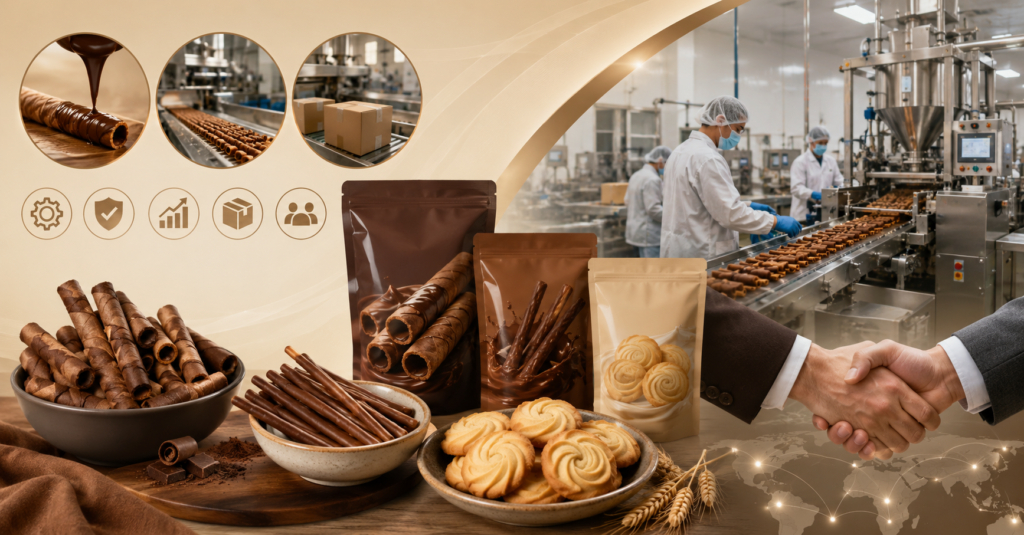
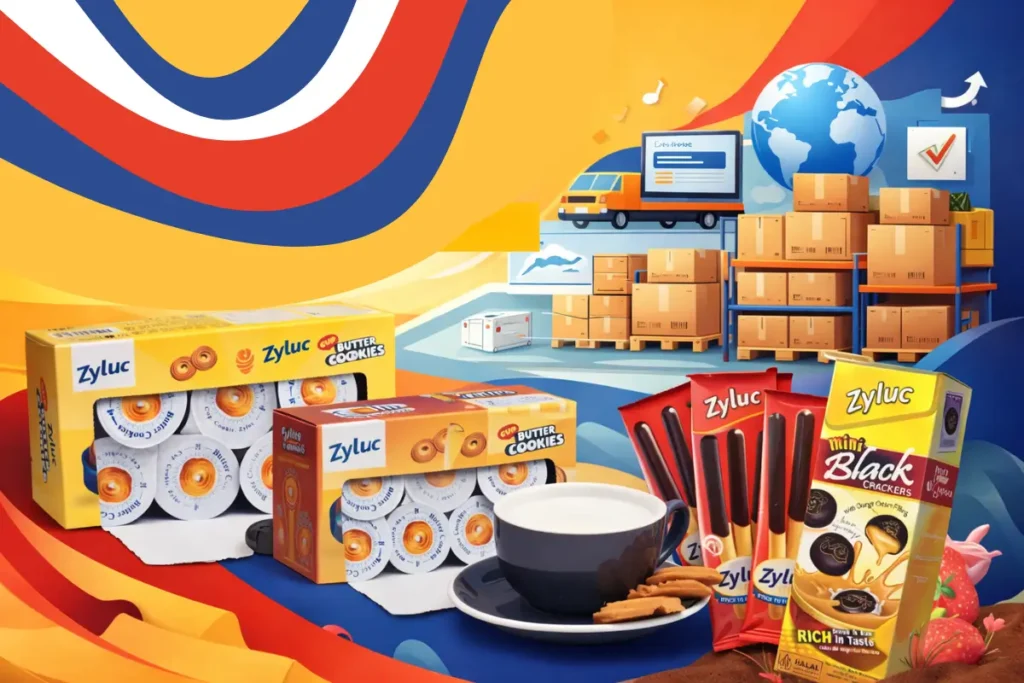
Zyluc continues expanding its influence within the wholesale industry by supporting retailers, distributors, and snack brands with scalable manufacturing solutions. The company understands how modern consumers demand affordable products, efficient delivery, and attractive packaging. Through reliable production systems, Zyluc helps businesses improve inventory stability while strengthening bulk buy food operations across competitive markets.
As competition increases, Zyluc focuses on flexible product development, customized packaging, and faster distribution strategies for growing businesses. Advanced manufacturing technology allows the company to maintain consistent quality while adapting quickly to changing market preferences. These operational advantages also support companies seeking stronger bulk buy food efficiency and long term retail growth.
By combining innovation, dependable partnerships, and scalable production capacity, Zyluc continues attracting businesses searching for sustainable wholesale solutions. The company remains committed to helping brands improve market competitiveness through reliable service, snack development, and efficient bulk buy food strategies supporting long term international expansion.
Zyluc Expands Digital Reach and Global Snack Influence
Zyluc continues to position itself as a trusted partner for global food businesses by offering scalable production and modern snack solutions. With a strong focus on innovation and quality, the brand supports retailers seeking reliable supply chains and efficient growth through bulk buy food strategies that improve market competitiveness worldwide.
Beyond production strength, Zyluc emphasizes flexible solutions, fast response systems, and adaptable packaging to meet evolving market demands. Businesses benefit from improved efficiency and stronger partnerships that enhance long term stability. These advantages make bulk buy food operations more effective while supporting consistent supply and better customer satisfaction globally overall.
Zyluc also strengthens its digital presence through Instagram and Website Zyluc, allowing partners and customers to explore updates, collaboration opportunities, and product innovations. This approach builds stronger engagement, expands brand visibility, and reinforces trust in global markets while ensuring sustainable growth and long term business relationships worldwide successfully today.